iDecide Blog
Understanding Needs vs Wants
Sunday 5th of July 2026
Every time you tap "buy," your brain floods with dopamine. But is that rush a signal of genuine need, or just a cleverly disguised want? Let's break it down with a simple filter. 🧠💸
A **need** is non-negotiable. It supports your survival or core functioning: rent, groceries, healthcare, reliable transport to work. A **want** is a desire for comfort, status, or novelty. That fourth pair of sneakers? Want. The latest gadget upgrade when your current one works fine? Want.
Here’s the analytical trick: ask yourself, "If I didn't buy this, would my life be significantly worse in 30 days?" If the answer is no, it's a want. Wants aren't evil—they make life enjoyable. The problem is when we treat them as emergencies. That's how debt creeps in.
Instead of budgeting (which feels restrictive), practice **intentional allocation**. Decide in advance: "I will spend X on wants this month, guilt-free." Then when temptation strikes, pause. Open iDecide. Reflect. Is this purchase stealing from a future need (like savings for a car repair or a stable home)? Or is it a planned reward?
Mastering this distinction isn't about deprivation. It's about control. You get to choose where your money goes, rather than letting impulse decide for you. Next time you're about to click "buy," take a breath. Ask: Need or want? Your future self will thank you.
Download iDecide to start your pause-and-reflect habit today.
Learn how to make smarter choices at: https://idecideapp.com
A **need** is non-negotiable. It supports your survival or core functioning: rent, groceries, healthcare, reliable transport to work. A **want** is a desire for comfort, status, or novelty. That fourth pair of sneakers? Want. The latest gadget upgrade when your current one works fine? Want.
Here’s the analytical trick: ask yourself, "If I didn't buy this, would my life be significantly worse in 30 days?" If the answer is no, it's a want. Wants aren't evil—they make life enjoyable. The problem is when we treat them as emergencies. That's how debt creeps in.
Instead of budgeting (which feels restrictive), practice **intentional allocation**. Decide in advance: "I will spend X on wants this month, guilt-free." Then when temptation strikes, pause. Open iDecide. Reflect. Is this purchase stealing from a future need (like savings for a car repair or a stable home)? Or is it a planned reward?
Mastering this distinction isn't about deprivation. It's about control. You get to choose where your money goes, rather than letting impulse decide for you. Next time you're about to click "buy," take a breath. Ask: Need or want? Your future self will thank you.
Download iDecide to start your pause-and-reflect habit today.
Learn how to make smarter choices at: https://idecideapp.com

Why you should build an Emergency Fund
Sunday 5th of July 2026
💡 Your future self will thank you for this one decision.
Let’s talk about the Emergency Fund—not a “want,” but a non-negotiable need.
Think of it as your financial airbag. Life happens: a car repair, medical bill, or sudden job loss. Without that cushion, you’re one surprise away from credit card debt or high-interest loans. And debt? It turns a temporary problem into a long-term burden.
Here’s the analytical part: aim for 3–6 months of essential expenses. Start small—$500 or $1,000. Skip one “want” this week (that takeout coffee or new gadget) and redirect it here. Every dollar saved is a dollar that keeps you out of debt and in control.
Budgeting isn’t about restriction; it’s about freedom. When you know your needs are covered, your wants become choices, not emergencies.
Ready to build your shield? iDecide can help you pause, reflect, and prioritize what truly matters.
Start today. Your peace of mind is worth it. 💰🛡️
Learn how to make smarter choices at: https://idecideapp.com
Let’s talk about the Emergency Fund—not a “want,” but a non-negotiable need.
Think of it as your financial airbag. Life happens: a car repair, medical bill, or sudden job loss. Without that cushion, you’re one surprise away from credit card debt or high-interest loans. And debt? It turns a temporary problem into a long-term burden.
Here’s the analytical part: aim for 3–6 months of essential expenses. Start small—$500 or $1,000. Skip one “want” this week (that takeout coffee or new gadget) and redirect it here. Every dollar saved is a dollar that keeps you out of debt and in control.
Budgeting isn’t about restriction; it’s about freedom. When you know your needs are covered, your wants become choices, not emergencies.
Ready to build your shield? iDecide can help you pause, reflect, and prioritize what truly matters.
Start today. Your peace of mind is worth it. 💰🛡️
Learn how to make smarter choices at: https://idecideapp.com
Understanding Needs vs Wants
Sunday 5th of July 2026
Let’s talk about the difference between a need and a want. 🧠💡
A need is something you truly cannot live without: food, shelter, healthcare, transportation to work. A want is something that adds comfort, status, or instant gratification—but isn’t essential to your survival or stability. The tricky part? Our brains often dress up wants as needs. That “limited edition” sneaker feels urgent. That upgraded phone feels necessary. But is it?
Here’s a simple analytical test: Ask yourself, “If I didn’t buy this today, would my life be genuinely worse in one month?” If the answer is no, it’s a want. Needs have staying power; wants have emotional pull.
When you pause and reflect, you gain clarity. You stop buying things to fill a mood and start buying what truly supports your goals. This isn’t about deprivation—it’s about freedom. Every time you skip a want, you keep your future options open. You avoid the trap of paying interest on yesterday’s impulse.
Use the iDecide pause: take 24 hours. Write down the purchase. Ask yourself the real reason you want it. Is it solving a problem or soothing a feeling? The answer will tell you everything.
Make the choice that future you will thank you for. 🌱💸
iDecide
Learn how to make smarter choices at: https://idecideapp.com
A need is something you truly cannot live without: food, shelter, healthcare, transportation to work. A want is something that adds comfort, status, or instant gratification—but isn’t essential to your survival or stability. The tricky part? Our brains often dress up wants as needs. That “limited edition” sneaker feels urgent. That upgraded phone feels necessary. But is it?
Here’s a simple analytical test: Ask yourself, “If I didn’t buy this today, would my life be genuinely worse in one month?” If the answer is no, it’s a want. Needs have staying power; wants have emotional pull.
When you pause and reflect, you gain clarity. You stop buying things to fill a mood and start buying what truly supports your goals. This isn’t about deprivation—it’s about freedom. Every time you skip a want, you keep your future options open. You avoid the trap of paying interest on yesterday’s impulse.
Use the iDecide pause: take 24 hours. Write down the purchase. Ask yourself the real reason you want it. Is it solving a problem or soothing a feeling? The answer will tell you everything.
Make the choice that future you will thank you for. 🌱💸
iDecide
Learn how to make smarter choices at: https://idecideapp.com

Buying with Loans vs Saving up
Monday 6th of July 2026
We’ve all been there. You see the shiny new gadget, the designer bag, or the dream vacation. Your brain says “buy now, pay later.” But your wallet? It’s whispering a different story.
Let’s break it down: Buying with a loan means you’re paying for *future* income today. That monthly payment isn’t just the item—it’s interest, stress, and a commitment that eats into your freedom. A $1,000 couch on credit could end up costing $1,300 over time. That extra $300? That’s your money working *against* you.
Now, saving up? It flips the script. You ask: “Do I *need* this, or do I just *want* it now?” By pausing, you separate impulse from intention. You build a habit of budgeting, avoid debt traps, and when you finally buy—you own it outright. No strings, no sleepless nights.
The hard truth: Loans often turn “wants” into forced “needs” with interest. Saving up turns “wants” into earned rewards.
Next time your finger hovers over “Buy,” open iDecide. Pause. Reflect. Is this a need or a fleeting want? Your future self will thank you.
Ready to rethink the buy now, pay later cycle? Let’s start the conversation.
iDecide – Your pause before the purchase.
Learn how to make smarter choices at: https://idecideapp.com
Let’s break it down: Buying with a loan means you’re paying for *future* income today. That monthly payment isn’t just the item—it’s interest, stress, and a commitment that eats into your freedom. A $1,000 couch on credit could end up costing $1,300 over time. That extra $300? That’s your money working *against* you.
Now, saving up? It flips the script. You ask: “Do I *need* this, or do I just *want* it now?” By pausing, you separate impulse from intention. You build a habit of budgeting, avoid debt traps, and when you finally buy—you own it outright. No strings, no sleepless nights.
The hard truth: Loans often turn “wants” into forced “needs” with interest. Saving up turns “wants” into earned rewards.
Next time your finger hovers over “Buy,” open iDecide. Pause. Reflect. Is this a need or a fleeting want? Your future self will thank you.
Ready to rethink the buy now, pay later cycle? Let’s start the conversation.
iDecide – Your pause before the purchase.
Learn how to make smarter choices at: https://idecideapp.com
Using the 24-hour rule before a big purchase
Tuesday 7th of July 2026
Is that shiny new gadget a "need" or a "want"? 🤔 Before you hit "buy," try the 24-Hour Rule. It’s a simple, powerful hack that separates impulse from intention.
Here’s how it works: When you feel the urge for a big purchase, pause for 24 hours. Use that time to analyze the math. Will this purchase add to your monthly debt, or fit cleanly into your budget? Ask yourself: "Does this solve a real problem, or just a fleeting desire?" Often, the dopamine fade reveals the truth—it was a want dressed up as a need.
The result? Fewer regrets, less debt, and more money for what truly matters. You take control of your finances, not your cravings. 🛑💡
Ready to reflect before you spend? iDecide helps you build that pause into a habit.
Learn how to make smarter choices at: https://idecideapp.com
Here’s how it works: When you feel the urge for a big purchase, pause for 24 hours. Use that time to analyze the math. Will this purchase add to your monthly debt, or fit cleanly into your budget? Ask yourself: "Does this solve a real problem, or just a fleeting desire?" Often, the dopamine fade reveals the truth—it was a want dressed up as a need.
The result? Fewer regrets, less debt, and more money for what truly matters. You take control of your finances, not your cravings. 🛑💡
Ready to reflect before you spend? iDecide helps you build that pause into a habit.
Learn how to make smarter choices at: https://idecideapp.com
Buying with Loans vs Saving up
Wednesday 8th of July 2026
Your brain on loans: instant gratification, but that monthly payment is a ghost that follows you for years. 👻
Your brain on saving: delayed satisfaction, but zero stress and 100% freedom. 💪
Let’s break it down. When you buy with a loan, you’re paying for the *want* now—plus interest, which is the price of impatience. That new gadget or couch isn’t just $500; it’s $550, $600, or more over time. Worse, debt ties your future income to a past decision. You lose flexibility.
Saving up forces a pause. It answers: *Is this a need or a want?* If it’s a true need, you budget for it. If it’s a want, you decide if it’s worth the wait. No debt means your paycheck stays yours. No interest. No minimum payments. Just peace of mind.
The rule? If you can’t buy it twice in cash, you can’t afford it once on credit.
Pause. Reflect. Choose freedom over finance charges. iDecide helps you make that call before you swipe.
Learn how to make smarter choices at: https://idecideapp.com
Your brain on saving: delayed satisfaction, but zero stress and 100% freedom. 💪
Let’s break it down. When you buy with a loan, you’re paying for the *want* now—plus interest, which is the price of impatience. That new gadget or couch isn’t just $500; it’s $550, $600, or more over time. Worse, debt ties your future income to a past decision. You lose flexibility.
Saving up forces a pause. It answers: *Is this a need or a want?* If it’s a true need, you budget for it. If it’s a want, you decide if it’s worth the wait. No debt means your paycheck stays yours. No interest. No minimum payments. Just peace of mind.
The rule? If you can’t buy it twice in cash, you can’t afford it once on credit.
Pause. Reflect. Choose freedom over finance charges. iDecide helps you make that call before you swipe.
Learn how to make smarter choices at: https://idecideapp.com

Social proof and FOMO in online shopping
Thursday 9th of July 2026
Ever refresh your cart just because it said "Only 2 left"? 🛒 That’s FOMO + social proof at work—a powerful combo designed to make wants feel like needs.
Here’s the reality check: That "bestseller" badge doesn’t know your budget. Those 5-star reviews aren’t paying your bills. When you buy based on scarcity or crowd approval, you’re prioritizing someone else’s profit over your own financial peace.
Before you click "buy," pause with iDecide. Ask yourself:
- Is this a need (shelter, food, savings) or a want driven by urgency?
- Will this purchase bring lasting value, or just a dopamine spike?
- Can I afford it without borrowing from next month's rent?
Avoid the debt trap. Remember: The best deal is the one you don’t regret. Next time the timer ticks down, take a breath. Your wallet—and your future self—will thank you.
Pause. Reflect. Decide.
Learn how to make smarter choices at: https://idecideapp.com
Here’s the reality check: That "bestseller" badge doesn’t know your budget. Those 5-star reviews aren’t paying your bills. When you buy based on scarcity or crowd approval, you’re prioritizing someone else’s profit over your own financial peace.
Before you click "buy," pause with iDecide. Ask yourself:
- Is this a need (shelter, food, savings) or a want driven by urgency?
- Will this purchase bring lasting value, or just a dopamine spike?
- Can I afford it without borrowing from next month's rent?
Avoid the debt trap. Remember: The best deal is the one you don’t regret. Next time the timer ticks down, take a breath. Your wallet—and your future self—will thank you.
Pause. Reflect. Decide.
Learn how to make smarter choices at: https://idecideapp.com
The 50/30/20 Budgeting Rule
Friday 10th of July 2026
Master your money without the misery. 💡 The 50/30/20 rule is the simplest way to balance your needs, wants, and future.
Here’s the breakdown:
50% for Needs: Rent, groceries, utilities. Non-negotiable survival costs.
30% for Wants: Dining out, streaming, that new jacket. Guilt-free fun, but only after needs are covered.
20% for Savings & Debt: Emergency fund, retirement, or crushing that credit card balance.
The key? Distinguishing a need from a want. That daily latte? A want. That car repair? A need. This rule forces that pause—the exact moment iDecide helps you master.
Before you swipe, ask: "Is this a need or a want? Does it fit my 30%?" If not, pause. Reflect. Your future self will thank you.
iDecide helps you build that habit, one purchase at a time.
Learn how to make smarter choices at: https://idecideapp.com
Here’s the breakdown:
50% for Needs: Rent, groceries, utilities. Non-negotiable survival costs.
30% for Wants: Dining out, streaming, that new jacket. Guilt-free fun, but only after needs are covered.
20% for Savings & Debt: Emergency fund, retirement, or crushing that credit card balance.
The key? Distinguishing a need from a want. That daily latte? A want. That car repair? A need. This rule forces that pause—the exact moment iDecide helps you master.
Before you swipe, ask: "Is this a need or a want? Does it fit my 30%?" If not, pause. Reflect. Your future self will thank you.
iDecide helps you build that habit, one purchase at a time.
Learn how to make smarter choices at: https://idecideapp.com

Using the 24-hour rule before a big purchase
Saturday 11th of July 2026
Big purchase on your mind? 🛑 Hit pause with the 24-hour rule.
Before you click “buy,” ask: Is this a *need* or a *want*? Needs keep you safe and stable—groceries, rent, a reliable ride. Wants are the shiny upgrades that feel urgent but rarely are.
Here’s the trick: Wait 24 hours. That delay kills impulse and reveals the truth. You’ll often find the excitement fades, and the money stays in your pocket.
Why it works:
- Breaks the dopamine loop of instant gratification.
- Gives your budget time to breathe—avoiding debt traps.
- Turns “I deserve this” into “I can plan for this.”
One night of sleep can save you hundreds. Use iDecide to track those moments, reflect on your real priorities, and build smarter spending habits.
Your future self will thank you.
Learn how to make smarter choices at: https://idecideapp.com
Before you click “buy,” ask: Is this a *need* or a *want*? Needs keep you safe and stable—groceries, rent, a reliable ride. Wants are the shiny upgrades that feel urgent but rarely are.
Here’s the trick: Wait 24 hours. That delay kills impulse and reveals the truth. You’ll often find the excitement fades, and the money stays in your pocket.
Why it works:
- Breaks the dopamine loop of instant gratification.
- Gives your budget time to breathe—avoiding debt traps.
- Turns “I deserve this” into “I can plan for this.”
One night of sleep can save you hundreds. Use iDecide to track those moments, reflect on your real priorities, and build smarter spending habits.
Your future self will thank you.
Learn how to make smarter choices at: https://idecideapp.com
Why you should build an Emergency Fund
Sunday 12th of July 2026
Life happens. Flat tires. Job loss. Medical bills. Without a safety net, these become debt traps. 🚨
Here’s the hard truth: your emergency fund isn’t about “wants.” It’s about protecting your “needs.” That new gadget? A want. A roof over your head? A need.
Start small: aim for $1,000. Treat it like a non-negotiable bill. Every dollar you save is a dollar you don’t have to borrow at 20% interest. 💸
Budgeting isn’t restriction—it’s freedom. Prioritize the fund before that weekend splurge. Use iDecide to pause and ask: “Is this purchase a shield or a shiny distraction?”
Your future self will thank you for the peace of mind. Build the buffer. Sleep better. 😌
Learn how to make smarter choices at: https://idecideapp.com
Here’s the hard truth: your emergency fund isn’t about “wants.” It’s about protecting your “needs.” That new gadget? A want. A roof over your head? A need.
Start small: aim for $1,000. Treat it like a non-negotiable bill. Every dollar you save is a dollar you don’t have to borrow at 20% interest. 💸
Budgeting isn’t restriction—it’s freedom. Prioritize the fund before that weekend splurge. Use iDecide to pause and ask: “Is this purchase a shield or a shiny distraction?”
Your future self will thank you for the peace of mind. Build the buffer. Sleep better. 😌
Learn how to make smarter choices at: https://idecideapp.com
Social proof and FOMO in online shopping
Monday 13th of July 2026
Ever refreshed your cart just to see a "Only 2 left!" pop up? That’s FOMO + social proof working together to bypass your rational brain. 🧠💸
Here’s the trap: We see others buying (social proof), fear missing out (FOMO), and suddenly a “want” feels like a “need.” But ask yourself—did you actually need that item before the alert appeared? Or did the scarcity create urgency that overrode your budget?
The smart move: Pause before you purchase. Use the iDecide rule—wait 24 hours. If the "need" fades, it was a want. If you still want it, check your budget. Does it fit without debt or sacrifice? If not, let it go.
Remember: Every impulse buy is a vote for your future self’s freedom. Choose the version that sleeps better without buyer’s remorse. 🛑💡
*Your wallet will thank you.*
Learn how to make smarter choices at: https://idecideapp.com
Here’s the trap: We see others buying (social proof), fear missing out (FOMO), and suddenly a “want” feels like a “need.” But ask yourself—did you actually need that item before the alert appeared? Or did the scarcity create urgency that overrode your budget?
The smart move: Pause before you purchase. Use the iDecide rule—wait 24 hours. If the "need" fades, it was a want. If you still want it, check your budget. Does it fit without debt or sacrifice? If not, let it go.
Remember: Every impulse buy is a vote for your future self’s freedom. Choose the version that sleeps better without buyer’s remorse. 🛑💡
*Your wallet will thank you.*
Learn how to make smarter choices at: https://idecideapp.com

The danger of high-interest credit card debt
Tuesday 14th of July 2026
That "Buy Now, Pay Later" feeling? It’s a trap. 🕳️💳
Here’s the cold, hard math on high-interest credit card debt:
A $500 "want" (that new jacket, the takeout splurge) on a card with 22% APR, paid only with minimums, can cost you over **$700** and take **3+ years** to clear. That’s 40% more for a fleeting dopamine hit. 📈
**The real danger isn’t the purchase—it’s the interest snowball.** It buries your future "needs" (rent, savings, peace of mind) under yesterday's "wants."
**Pause with iDecide before you swipe.** Ask yourself:
- Is this a need or a want?
- Can I afford it *today*?
- Is this thing worth paying for *twice*?
One mindful pause can save you hundreds. Your future self will thank you. 💡🧠
iDecide – Think before you buy.
Learn how to make smarter choices at: https://idecideapp.com
Here’s the cold, hard math on high-interest credit card debt:
A $500 "want" (that new jacket, the takeout splurge) on a card with 22% APR, paid only with minimums, can cost you over **$700** and take **3+ years** to clear. That’s 40% more for a fleeting dopamine hit. 📈
**The real danger isn’t the purchase—it’s the interest snowball.** It buries your future "needs" (rent, savings, peace of mind) under yesterday's "wants."
**Pause with iDecide before you swipe.** Ask yourself:
- Is this a need or a want?
- Can I afford it *today*?
- Is this thing worth paying for *twice*?
One mindful pause can save you hundreds. Your future self will thank you. 💡🧠
iDecide – Think before you buy.
Learn how to make smarter choices at: https://idecideapp.com
Buying with Loans vs Saving up
Wednesday 15th of July 2026
Should you swipe the card or save the receipt? 🛒💳
Buying with loans feels like instant gratification. Buying with savings feels like delayed discipline. But here’s the reality: loans turn a “want” into a debt that compounds. Savings turn a “need” into a purchase you truly own.
Ask yourself: Is this a need or a want? If it’s a want, can you wait 30 days? If it’s a need, can you budget for it without interest?
The math is simple: a loan for a $500 item at 20% APR costs you $600+ over time. Saving $50 a month gets you there in 10 weeks—with zero stress, zero interest, and zero regret.
Pause. Reflect. Use iDecide to check your impulse before your wallet pays the price.
Learn how to make smarter choices at: https://idecideapp.com
Buying with loans feels like instant gratification. Buying with savings feels like delayed discipline. But here’s the reality: loans turn a “want” into a debt that compounds. Savings turn a “need” into a purchase you truly own.
Ask yourself: Is this a need or a want? If it’s a want, can you wait 30 days? If it’s a need, can you budget for it without interest?
The math is simple: a loan for a $500 item at 20% APR costs you $600+ over time. Saving $50 a month gets you there in 10 weeks—with zero stress, zero interest, and zero regret.
Pause. Reflect. Use iDecide to check your impulse before your wallet pays the price.
Learn how to make smarter choices at: https://idecideapp.com

The true cost of Impulse Buying
Thursday 16th of July 2026
The average impulse purchase costs just $30. But what’s the true price? 🧠
Let’s break it down analytically. That $30 is not just a number—it’s a choice between a “want” and a “need.” Over a year, 50 such buys = $1,500. Invested at 7% annual return, that’s $15,000+ in 10 years. Or, if put on a credit card at 20% APR, it becomes $1,800 in debt with interest.
Ask yourself: Is this fleeting dopamine hit worth sacrificing future freedom? Budgeting isn’t about restriction—it’s about alignment. Pause, reflect. Does this purchase serve your long-term goals or just a 5-minute thrill? 🔄
iDecide helps you map each click to your real priorities. Because the best buy is the one you never regret. 🛑💡
Learn how to make smarter choices at: https://idecideapp.com
Let’s break it down analytically. That $30 is not just a number—it’s a choice between a “want” and a “need.” Over a year, 50 such buys = $1,500. Invested at 7% annual return, that’s $15,000+ in 10 years. Or, if put on a credit card at 20% APR, it becomes $1,800 in debt with interest.
Ask yourself: Is this fleeting dopamine hit worth sacrificing future freedom? Budgeting isn’t about restriction—it’s about alignment. Pause, reflect. Does this purchase serve your long-term goals or just a 5-minute thrill? 🔄
iDecide helps you map each click to your real priorities. Because the best buy is the one you never regret. 🛑💡
Learn how to make smarter choices at: https://idecideapp.com
Buying with Loans vs Saving up
Friday 17th of July 2026
🛑 Before you swipe that card or hit "Buy Now on Credit," take a moment to ask: is this a need or a want?
💰 **The Loan Trap:** When you buy with borrowed money, you’re not just paying for the item—you’re paying for the *interest*. That $500 phone could cost you $700+ by the time you’re done. Plus, monthly payments lock you into future income you haven’t earned yet.
📈 **The Saving Strategy:** Saving up flips the script. You delay gratification, but you gain control. No debt stress, no interest—just the satisfaction of knowing you *own* it outright. Budgeting for a goal also gives you time to realize if that “want” was just a fleeting impulse.
🧠 **The iDecide Check:** Before any purchase, pause. If you can’t buy it twice in cash, can you wait? Needs are non-negotiable; wants are negotiable. Loans amplify wants into long-term burdens. Saving builds freedom.
Make the choice that leaves you richer, not just in stuff, but in peace of mind.
*Download iDecide to pause, reflect, and buy smarter.*
Learn how to make smarter choices at: https://idecideapp.com
💰 **The Loan Trap:** When you buy with borrowed money, you’re not just paying for the item—you’re paying for the *interest*. That $500 phone could cost you $700+ by the time you’re done. Plus, monthly payments lock you into future income you haven’t earned yet.
📈 **The Saving Strategy:** Saving up flips the script. You delay gratification, but you gain control. No debt stress, no interest—just the satisfaction of knowing you *own* it outright. Budgeting for a goal also gives you time to realize if that “want” was just a fleeting impulse.
🧠 **The iDecide Check:** Before any purchase, pause. If you can’t buy it twice in cash, can you wait? Needs are non-negotiable; wants are negotiable. Loans amplify wants into long-term burdens. Saving builds freedom.
Make the choice that leaves you richer, not just in stuff, but in peace of mind.
*Download iDecide to pause, reflect, and buy smarter.*
Learn how to make smarter choices at: https://idecideapp.com
Buying with Loans vs Saving up
Saturday 18th of July 2026
Before you swipe that card, ask yourself: Is it a need or a want? 🧠
Buying on credit turns a $50 want into a $65+ headache with interest. Saving up does the opposite—it turns a $500 need into a $0 stress purchase. Here’s the math: Loans buy you *time* you don’t have, but savings buy you *peace* you can’t afford to lose.
Rule of thumb: If it won’t matter in 30 days, don’t borrow for it. For big needs (car, home, education), a low-rate loan can be smart. But for that new phone or weekend trip? Pause. Save. Then enjoy it debt-free. 💪
Budgeting isn’t about restriction—it’s about freedom. Every dollar you save now is a dollar your future self won’t owe. Let iDecide help you stop and think before the impulse wins.
Learn how to make smarter choices at: https://idecideapp.com
Buying on credit turns a $50 want into a $65+ headache with interest. Saving up does the opposite—it turns a $500 need into a $0 stress purchase. Here’s the math: Loans buy you *time* you don’t have, but savings buy you *peace* you can’t afford to lose.
Rule of thumb: If it won’t matter in 30 days, don’t borrow for it. For big needs (car, home, education), a low-rate loan can be smart. But for that new phone or weekend trip? Pause. Save. Then enjoy it debt-free. 💪
Budgeting isn’t about restriction—it’s about freedom. Every dollar you save now is a dollar your future self won’t owe. Let iDecide help you stop and think before the impulse wins.
Learn how to make smarter choices at: https://idecideapp.com
Why you should build an Emergency Fund
Sunday 19th of July 2026
Life happens. Your car breaks down. You lose a job. Your pet needs surgery. Without a safety net, these moments turn into debt spirals. 🚨
An emergency fund isn't a "want"—it's a **need** that protects every other financial goal you have. Think of it as paying your future self first. Here’s the math: a $1,000 emergency paid with a credit card at 20% APR costs you $200+ in interest if you take a year to pay it off. That’s money you could have saved instead.
Start small. Aim for $1,000, then 3-6 months of essential expenses. Automate a transfer on payday—even $25 adds up. This isn’t about depriving yourself; it’s about buying peace of mind and avoiding high-interest debt.
Before your next impulse buy, open iDecide and ask: *Is this a need, or will this delay my safety net?* Your future self will thank you. 💰🛡️
Learn how to make smarter choices at: https://idecideapp.com
An emergency fund isn't a "want"—it's a **need** that protects every other financial goal you have. Think of it as paying your future self first. Here’s the math: a $1,000 emergency paid with a credit card at 20% APR costs you $200+ in interest if you take a year to pay it off. That’s money you could have saved instead.
Start small. Aim for $1,000, then 3-6 months of essential expenses. Automate a transfer on payday—even $25 adds up. This isn’t about depriving yourself; it’s about buying peace of mind and avoiding high-interest debt.
Before your next impulse buy, open iDecide and ask: *Is this a need, or will this delay my safety net?* Your future self will thank you. 💰🛡️
Learn how to make smarter choices at: https://idecideapp.com
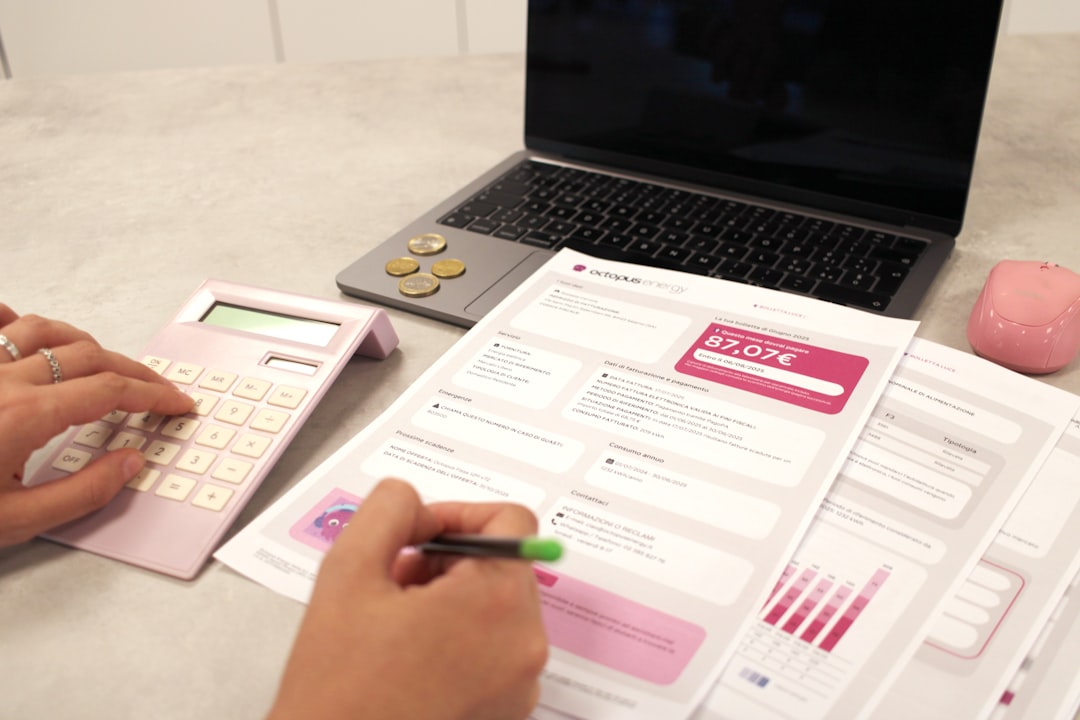
The danger of high-interest credit card debt
Monday 20th of July 2026
That "Buy Now, Pay Later" feeling? It’s a trap. 🪤
Here’s the cold math on high-interest credit card debt: a $500 "want" (those sneakers, the new tablet) can cost you over $800 if you only make minimum payments. That’s an extra $300 you just burned on interest—money that could have gone into your savings or toward a real goal.
The danger isn’t the purchase itself. It’s the silence before the bill arrives. High-interest debt turns a "want" into a financial anchor. It steals your future flexibility for a moment of instant gratification.
Pause before you swipe. Ask yourself: *Is this a need I can afford today, or a want I’m renting at 22% APR?*
iDecide gives you that 30-second pause to separate impulse from necessity. Your future self will thank you for the clarity—and the cash. 💡💸
Learn how to make smarter choices at: https://idecideapp.com
Here’s the cold math on high-interest credit card debt: a $500 "want" (those sneakers, the new tablet) can cost you over $800 if you only make minimum payments. That’s an extra $300 you just burned on interest—money that could have gone into your savings or toward a real goal.
The danger isn’t the purchase itself. It’s the silence before the bill arrives. High-interest debt turns a "want" into a financial anchor. It steals your future flexibility for a moment of instant gratification.
Pause before you swipe. Ask yourself: *Is this a need I can afford today, or a want I’m renting at 22% APR?*
iDecide gives you that 30-second pause to separate impulse from necessity. Your future self will thank you for the clarity—and the cash. 💡💸
Learn how to make smarter choices at: https://idecideapp.com
Using the 24-hour rule before a big purchase
Tuesday 21st of July 2026
That impulse buy feels amazing for about 24 hours... until the credit card bill arrives. 💸
Here is the math behind the **24-Hour Rule**:
Before you click "buy," ask yourself: **Is this a Need or a Want?**
- A **Need** keeps you safe, healthy, or functional (e.g., a broken fridge).
- A **Want** is a dopamine hit (e.g., new sneakers you don't need).
By pausing for 24 hours, you let the emotional high fade. Your analytical brain kicks in:
- *Will this add to debt?*
- *Does it fit my budget?*
- *Can I afford the maintenance?*
Most impulse buys fail this test. The result? You avoid regret, save cash, and buy what actually matters.
Use iDecide to track your "wants" and set a timer. Your future self will thank you. 🧠🛑
Learn how to make smarter choices at: https://idecideapp.com
Here is the math behind the **24-Hour Rule**:
Before you click "buy," ask yourself: **Is this a Need or a Want?**
- A **Need** keeps you safe, healthy, or functional (e.g., a broken fridge).
- A **Want** is a dopamine hit (e.g., new sneakers you don't need).
By pausing for 24 hours, you let the emotional high fade. Your analytical brain kicks in:
- *Will this add to debt?*
- *Does it fit my budget?*
- *Can I afford the maintenance?*
Most impulse buys fail this test. The result? You avoid regret, save cash, and buy what actually matters.
Use iDecide to track your "wants" and set a timer. Your future self will thank you. 🧠🛑
Learn how to make smarter choices at: https://idecideapp.com

Why you should build an Emergency Fund
Wednesday 22nd of July 2026
Your future self will thank you for this. 💪
An emergency fund isn't a want—it’s a non-negotiable need. Think of it as your financial airbag. Without it, a single car repair or medical bill can send you spiraling into high-interest debt. That new pair of shoes or the latest gadget? That’s a want. Your peace of mind? That’s a need.
Here’s the analytical part: Aim for 3-6 months of essential expenses. Start small—just $500. Every time you pause before a non-essential purchase, ask: "Would this money serve me better in my safety net?" If yes, transfer it immediately.
Budgeting isn’t about restriction; it’s about intention. Allocate a "safety first" line item before fun spending. Even $20 a week adds up to over $1,000 a year. That’s real protection against life’s curveballs.
Debt is a trap. An emergency fund is your escape pod. Build it, and you’ll sleep better knowing you can handle the unexpected without borrowing. Start today—your future self is counting on you. 🛡️
[Insert website link here]
Learn how to make smarter choices at: https://idecideapp.com
An emergency fund isn't a want—it’s a non-negotiable need. Think of it as your financial airbag. Without it, a single car repair or medical bill can send you spiraling into high-interest debt. That new pair of shoes or the latest gadget? That’s a want. Your peace of mind? That’s a need.
Here’s the analytical part: Aim for 3-6 months of essential expenses. Start small—just $500. Every time you pause before a non-essential purchase, ask: "Would this money serve me better in my safety net?" If yes, transfer it immediately.
Budgeting isn’t about restriction; it’s about intention. Allocate a "safety first" line item before fun spending. Even $20 a week adds up to over $1,000 a year. That’s real protection against life’s curveballs.
Debt is a trap. An emergency fund is your escape pod. Build it, and you’ll sleep better knowing you can handle the unexpected without borrowing. Start today—your future self is counting on you. 🛡️
[Insert website link here]
Learn how to make smarter choices at: https://idecideapp.com
Why you should build an Emergency Fund
Thursday 23rd of July 2026
Life happens. The car breaks down. The roof leaks. The dog needs surgery. Without an emergency fund, those “needs” become a crisis funded by high-interest debt. Let’s break it down analytically.
A healthy emergency fund covers 3-6 months of essential needs—rent, food, utilities. That’s non-negotiable. Wants? That new jacket or streaming upgrade can wait. By prioritizing needs first, you build a buffer that prevents a single flat tire from derailing your entire budget.
Think of it as paying yourself insurance. Every dollar saved is a dollar you won’t borrow at 20% APR. Run the numbers: $1,000 in savings avoids roughly $200 in interest if you’d used a credit card instead. That’s a 20% return, risk-free.
Start small. Automate $50 per paycheck into a separate high-yield savings account. Watch it grow. Then, when life throws a curveball, you can pause, reflect, and pay cash—not panic. That’s true financial freedom. 💪💰🛡️
Ready to build yours? iDecide helps you pause before every purchase, separating needs from wants.
Learn how to make smarter choices at: https://idecideapp.com
A healthy emergency fund covers 3-6 months of essential needs—rent, food, utilities. That’s non-negotiable. Wants? That new jacket or streaming upgrade can wait. By prioritizing needs first, you build a buffer that prevents a single flat tire from derailing your entire budget.
Think of it as paying yourself insurance. Every dollar saved is a dollar you won’t borrow at 20% APR. Run the numbers: $1,000 in savings avoids roughly $200 in interest if you’d used a credit card instead. That’s a 20% return, risk-free.
Start small. Automate $50 per paycheck into a separate high-yield savings account. Watch it grow. Then, when life throws a curveball, you can pause, reflect, and pay cash—not panic. That’s true financial freedom. 💪💰🛡️
Ready to build yours? iDecide helps you pause before every purchase, separating needs from wants.
Learn how to make smarter choices at: https://idecideapp.com
Using the 24-hour rule before a big purchase
Friday 24th of July 2026
Is that "need" really a need? 🧠💸 Before you swipe for that big-ticket item, try the 24-Hour Rule. It’s your built-in pause button.
Here’s the math: Impulse buys often target wants, not needs. By waiting a full day, you let the dopamine fade and your logical brain take over. Ask yourself: Does this serve my long-term goals, or just a temporary feeling? 🎯
This simple habit helps you avoid debt by preventing emotional spending. Instead of draining your budget on a fleeting want, you redirect funds toward what actually matters—savings, security, or a planned experience.
Try it tonight. See the item. Walk away. Sleep on it. Tomorrow, you’ll know if it’s a real need or just clever marketing.
Let iDecide help you master that pause.
Learn how to make smarter choices at: https://idecideapp.com
Here’s the math: Impulse buys often target wants, not needs. By waiting a full day, you let the dopamine fade and your logical brain take over. Ask yourself: Does this serve my long-term goals, or just a temporary feeling? 🎯
This simple habit helps you avoid debt by preventing emotional spending. Instead of draining your budget on a fleeting want, you redirect funds toward what actually matters—savings, security, or a planned experience.
Try it tonight. See the item. Walk away. Sleep on it. Tomorrow, you’ll know if it’s a real need or just clever marketing.
Let iDecide help you master that pause.
Learn how to make smarter choices at: https://idecideapp.com
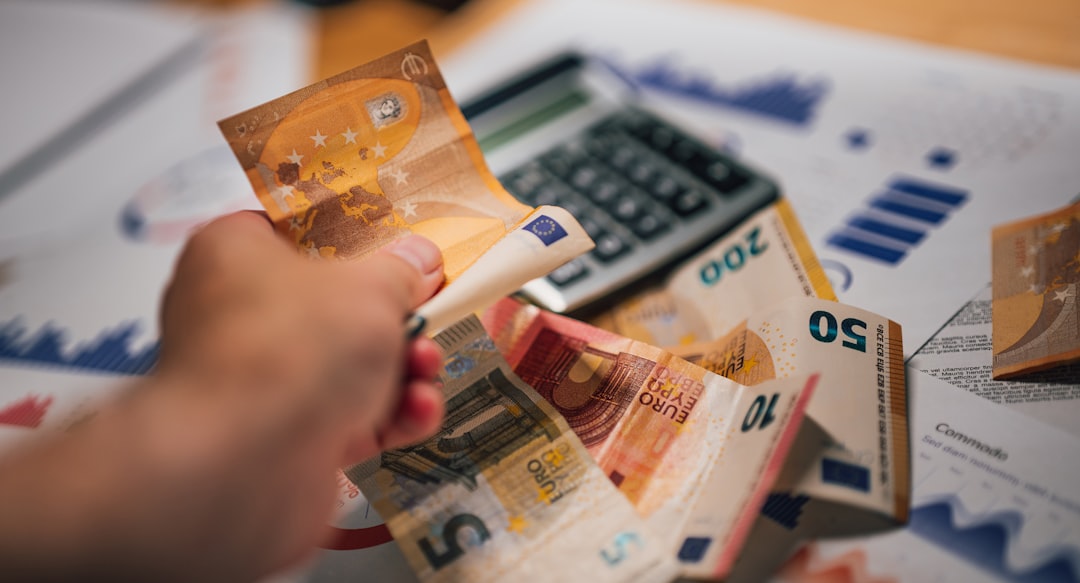
Understanding Needs vs Wants
Saturday 25th of July 2026
Making smart financial decisions is crucial when dealing with Understanding Needs vs Wants.
Always ask yourself if this is a need or a want before spending. Stop and think before you buy!
Read more tips on our blog: https://idecideapp.com
Always ask yourself if this is a need or a want before spending. Stop and think before you buy!
Read more tips on our blog: https://idecideapp.com

Social proof and FOMO in online shopping
Sunday 26th of July 2026
Making smart financial decisions is crucial when dealing with Social proof and FOMO in online shopping.
Always ask yourself if this is a need or a want before spending. Stop and think before you buy!
Read more tips on our blog: https://idecideapp.com
Always ask yourself if this is a need or a want before spending. Stop and think before you buy!
Read more tips on our blog: https://idecideapp.com
The true cost of Impulse Buying
Monday 27th of July 2026
Think fast: that $4 coffee you grabbed on a whim? It’s actually costing you $1,460 a year if you buy it daily. ☕💸
Impulse buying feels like a small treat, but the true cost isn’t just the price tag—it’s the debt, the clutter, and the lost chance to save for what you *actually* want. Every purchase is a choice between a fleeting want and a lasting need.
Here’s a simple rule: pause for 24 hours. Ask yourself: “Does this add value, or just noise?” If it’s a want, budget for it consciously. If it’s a need, buy it with clarity. No guilt, no regret—just control.
Your future self will thank you for the savings, the freedom from debt, and the peace of mind. 🧠✨
Start reflecting before you swipe. Because the best purchase is the one you truly choose.
Learn how to make smarter choices at: https://idecideapp.com
Impulse buying feels like a small treat, but the true cost isn’t just the price tag—it’s the debt, the clutter, and the lost chance to save for what you *actually* want. Every purchase is a choice between a fleeting want and a lasting need.
Here’s a simple rule: pause for 24 hours. Ask yourself: “Does this add value, or just noise?” If it’s a want, budget for it consciously. If it’s a need, buy it with clarity. No guilt, no regret—just control.
Your future self will thank you for the savings, the freedom from debt, and the peace of mind. 🧠✨
Start reflecting before you swipe. Because the best purchase is the one you truly choose.
Learn how to make smarter choices at: https://idecideapp.com

The true cost of Impulse Buying
Tuesday 28th of July 2026
That "treat yourself" feeling? It fades. The credit card bill? It stays. 💸
Let’s break down the **true cost** of impulse buying. That $40 sweater you didn’t need isn’t just $40. It’s $40 you could have saved, invested, or put toward a goal that actually matters. Every impulse purchase is a choice between a fleeting want and a lasting need.
Here’s the math:
- **Needs** keep your life stable (rent, food, savings).
- **Wants** are emotional shortcuts. They feel good for a minute, but often lead to regret—and sometimes debt.
The real cost isn’t just money. It’s the stress of wondering where your paycheck went. It’s the clutter. It’s the lost opportunity to build real security.
Before you click "buy," pause. Ask yourself: *Is this a need, or is my brain just chasing a dopamine hit?* 🧠
One moment of reflection can save you from a month of regret. Use iDecide to slow down, see the full picture, and keep your budget—and your peace—intact.
Your future self will thank you.
Learn how to make smarter choices at: https://idecideapp.com
Let’s break down the **true cost** of impulse buying. That $40 sweater you didn’t need isn’t just $40. It’s $40 you could have saved, invested, or put toward a goal that actually matters. Every impulse purchase is a choice between a fleeting want and a lasting need.
Here’s the math:
- **Needs** keep your life stable (rent, food, savings).
- **Wants** are emotional shortcuts. They feel good for a minute, but often lead to regret—and sometimes debt.
The real cost isn’t just money. It’s the stress of wondering where your paycheck went. It’s the clutter. It’s the lost opportunity to build real security.
Before you click "buy," pause. Ask yourself: *Is this a need, or is my brain just chasing a dopamine hit?* 🧠
One moment of reflection can save you from a month of regret. Use iDecide to slow down, see the full picture, and keep your budget—and your peace—intact.
Your future self will thank you.
Learn how to make smarter choices at: https://idecideapp.com

Using the 24-hour rule before a big purchase
Wednesday 29th of July 2026
That “add to cart” rush feels good, but does it last? 🛒🤔
Here’s a simple mental audit: The 24-Hour Rule.
Before any purchase over a certain threshold (say, $50 or $100), hit pause for one full day. This isn’t about deprivation—it’s about shifting from impulse to intention.
**Step 1: Separate Needs vs. Wants.**
- *Need:* A winter coat because yours is torn.
- *Want:* A designer coat because it’s on sale.
Needs solve a problem. Wants solve a feeling. Ask: “Will I care about this in 30 days?”
**Step 2: Check the Budget Reality.**
If you have to stretch a credit card or skip a savings deposit to afford it, you aren’t buying it—you’re borrowing it. Debt is a silent tax on your future freedom. 💸
**Step 3: Sleep on It.**
Morning light clarifies. Often, the “must-have” becomes a “maybe later.” You either buy with confidence or walk away with clarity. Both are wins.
The 24-hour rule isn’t about saying no. It’s about giving your wallet a voice. Use it once, and you’ll see the difference between owning something and being owned by a price tag. ⏳✅
Learn how to make smarter choices at: https://idecideapp.com
Here’s a simple mental audit: The 24-Hour Rule.
Before any purchase over a certain threshold (say, $50 or $100), hit pause for one full day. This isn’t about deprivation—it’s about shifting from impulse to intention.
**Step 1: Separate Needs vs. Wants.**
- *Need:* A winter coat because yours is torn.
- *Want:* A designer coat because it’s on sale.
Needs solve a problem. Wants solve a feeling. Ask: “Will I care about this in 30 days?”
**Step 2: Check the Budget Reality.**
If you have to stretch a credit card or skip a savings deposit to afford it, you aren’t buying it—you’re borrowing it. Debt is a silent tax on your future freedom. 💸
**Step 3: Sleep on It.**
Morning light clarifies. Often, the “must-have” becomes a “maybe later.” You either buy with confidence or walk away with clarity. Both are wins.
The 24-hour rule isn’t about saying no. It’s about giving your wallet a voice. Use it once, and you’ll see the difference between owning something and being owned by a price tag. ⏳✅
Learn how to make smarter choices at: https://idecideapp.com

The true cost of Impulse Buying
Thursday 30th of July 2026
💰 The true cost of impulse buying isn’t just the price tag—it’s the opportunity cost.
That $50 sweater? It’s a night out with friends you skip next week. The flashy gadget? It’s the emergency fund cushion you didn’t build. Every impulse buy is a trade-off between a fleeting want and a lasting need.
Here’s a quick reality check: Needs keep you stable (rent, food, savings). Wants feel good but fade fast. Before you click “buy,” ask yourself: “Will this matter in 30 days?” If the answer is no, pause.
Budgeting isn’t about restriction—it’s about freedom. It’s choosing to avoid debt so you can say yes to what truly matters later.
Next time you feel the urge, open iDecide. Take 60 seconds. Reflect. Your future self will thank you for the clarity. 🧠✨
[Your website link here]
Learn how to make smarter choices at: https://idecideapp.com
That $50 sweater? It’s a night out with friends you skip next week. The flashy gadget? It’s the emergency fund cushion you didn’t build. Every impulse buy is a trade-off between a fleeting want and a lasting need.
Here’s a quick reality check: Needs keep you stable (rent, food, savings). Wants feel good but fade fast. Before you click “buy,” ask yourself: “Will this matter in 30 days?” If the answer is no, pause.
Budgeting isn’t about restriction—it’s about freedom. It’s choosing to avoid debt so you can say yes to what truly matters later.
Next time you feel the urge, open iDecide. Take 60 seconds. Reflect. Your future self will thank you for the clarity. 🧠✨
[Your website link here]
Learn how to make smarter choices at: https://idecideapp.com
The true cost of Impulse Buying
Friday 31st of July 2026
Impulse buys feel like a small treat today, but they’re actually a silent loan from your future self. 🧠
That $9 latte? It’s not $9. It’s the $9 you didn’t invest, the 20 minutes you’ll work tomorrow to pay for it, and the tiny dent in your budget that forces you to skip a real want later. The math on impulse is brutal: 80% of unplanned purchases are “wants” masquerading as “needs.” Your brain craves the dopamine hit, not the item. The item just becomes clutter, guilt, or debt.
Here’s the shift: Before checkout, ask one question—*“If I saw this in my cart tomorrow, would I still want it?”* If the answer is no, it’s a want. If yes, it’s a need. Wants are fine, but only after you’ve funded your savings and bills. That’s budgeting, not restriction—it’s permission with a plan.
Every dollar you don’t impulse-spend is a dollar you redirect toward freedom: an emergency fund, a trip, or paying down debt faster. The true cost isn’t the price tag; it’s the opportunity you gave away. Pause. Reflect. Then decide—not react. Your future bank account will thank you. 💸🚦
Learn how to make smarter choices at: https://idecideapp.com
That $9 latte? It’s not $9. It’s the $9 you didn’t invest, the 20 minutes you’ll work tomorrow to pay for it, and the tiny dent in your budget that forces you to skip a real want later. The math on impulse is brutal: 80% of unplanned purchases are “wants” masquerading as “needs.” Your brain craves the dopamine hit, not the item. The item just becomes clutter, guilt, or debt.
Here’s the shift: Before checkout, ask one question—*“If I saw this in my cart tomorrow, would I still want it?”* If the answer is no, it’s a want. If yes, it’s a need. Wants are fine, but only after you’ve funded your savings and bills. That’s budgeting, not restriction—it’s permission with a plan.
Every dollar you don’t impulse-spend is a dollar you redirect toward freedom: an emergency fund, a trip, or paying down debt faster. The true cost isn’t the price tag; it’s the opportunity you gave away. Pause. Reflect. Then decide—not react. Your future bank account will thank you. 💸🚦
Learn how to make smarter choices at: https://idecideapp.com
Buying with Loans vs Saving up
Saturday 1st of August 2026
💸 Loan = instant gratification, delayed stress. 💰 Saving = delayed gratification, instant peace.
Let’s be real: that new phone or designer bag feels urgent. But when you swipe a loan or “buy now, pay later,” you’re not just paying the price—you’re paying for yesterday’s impulse every single month. Interest is just a tax on impatience.
Here’s the mental shift: A want is something you can walk away from and still sleep fine. A need is food, rent, medicine. If it’s a want, the rule is simple—save first, buy later. If it’s a need, budget it, don’t borrow it.
Saving up forces a pause. That pause is your superpower. It filters out 80% of the stuff you thought you needed. By the time you’ve saved the full amount, you either buy it with zero guilt or realize you never wanted it that badly. Both are wins.
Debt doesn’t buy freedom—it rents it. And the rent is due every month, with interest.
Next time you’re tempted, ask yourself: “Do I want this thing, or do I want the feeling of being done with payments?” One builds stress. The other builds wealth.
Pause. Reflect. Choose peace over pressure.
Learn how to make smarter choices at: https://idecideapp.com
Let’s be real: that new phone or designer bag feels urgent. But when you swipe a loan or “buy now, pay later,” you’re not just paying the price—you’re paying for yesterday’s impulse every single month. Interest is just a tax on impatience.
Here’s the mental shift: A want is something you can walk away from and still sleep fine. A need is food, rent, medicine. If it’s a want, the rule is simple—save first, buy later. If it’s a need, budget it, don’t borrow it.
Saving up forces a pause. That pause is your superpower. It filters out 80% of the stuff you thought you needed. By the time you’ve saved the full amount, you either buy it with zero guilt or realize you never wanted it that badly. Both are wins.
Debt doesn’t buy freedom—it rents it. And the rent is due every month, with interest.
Next time you’re tempted, ask yourself: “Do I want this thing, or do I want the feeling of being done with payments?” One builds stress. The other builds wealth.
Pause. Reflect. Choose peace over pressure.
Learn how to make smarter choices at: https://idecideapp.com

The danger of high-interest credit card debt
Sunday 2nd of August 2026
Your credit card isn’t a money tree—it’s a tiny, silent mortgage with a 25% interest rate. 🏚️💳
Here’s the math that hurts: You buy a $1,200 “want” (that new jacket? the upgraded gadget?) on a card with 24% APR. Pay only the minimum, and you’ll spend roughly $2,100 over 6+ years. That’s $900 in pure interest—for something that’s already in a landfill.
The trap isn’t the purchase. It’s the *illusion* that “future you” will handle it. Future you is still paying for past you’s dopamine hit. 🧠
So before you swipe, run the 30-second test:
- Is this a *need* (rent, food, medicine) or a *want* (convenience, status, boredom)?
- If it’s a want, can you buy it twice? If not, you can’t afford it once.
- Would you take out a loan for this item at 25%? Because that’s what you’re doing.
The most powerful budgeting tool isn’t a spreadsheet—it’s a pause. ⏸️
Use iDecide to force that pause. Ask: “Will I care about this in 30 days?” Usually, the answer is no. And that “no” is worth thousands.
Break the cycle. Reflect before you swipe. Your future bank account will thank you. 💸
Visit iDecide today.
Learn how to make smarter choices at: https://idecideapp.com
Here’s the math that hurts: You buy a $1,200 “want” (that new jacket? the upgraded gadget?) on a card with 24% APR. Pay only the minimum, and you’ll spend roughly $2,100 over 6+ years. That’s $900 in pure interest—for something that’s already in a landfill.
The trap isn’t the purchase. It’s the *illusion* that “future you” will handle it. Future you is still paying for past you’s dopamine hit. 🧠
So before you swipe, run the 30-second test:
- Is this a *need* (rent, food, medicine) or a *want* (convenience, status, boredom)?
- If it’s a want, can you buy it twice? If not, you can’t afford it once.
- Would you take out a loan for this item at 25%? Because that’s what you’re doing.
The most powerful budgeting tool isn’t a spreadsheet—it’s a pause. ⏸️
Use iDecide to force that pause. Ask: “Will I care about this in 30 days?” Usually, the answer is no. And that “no” is worth thousands.
Break the cycle. Reflect before you swipe. Your future bank account will thank you. 💸
Visit iDecide today.
Learn how to make smarter choices at: https://idecideapp.com

Using the 24-hour rule before a big purchase
Monday 3rd of August 2026
Your brain is a master negotiator—and it’s lying to you. 🧠
When you see that shiny new gadget or designer jacket, your dopamine spikes. You feel the thrill of ownership before you even swipe. That’s the “want” hijacking your “need” logic.
Here’s the fix: the 24-hour rule.
It’s not about deprivation. It’s about separating impulse from intention. When you pause for 24 hours, you let the emotional fog clear. Ask yourself: “Does this serve a real purpose, or am I just filling a temporary void?” If it’s a want, and it doesn’t fit your current budget, it becomes a future goal—not a present regret.
Why does this matter? Because debt isn’t built in one big purchase. It’s built in dozens of “small” unplanned ones. Every time you delay, you give your future self a seat at the table. You convert a “maybe” into a “yes, but only if it aligns with my values.”
The data is clear: 80% of impulse buys are forgotten within a week. The 24-hour rule filters out that noise. You’ll either forget it (win) or realize you truly want it (planned win). Either way, you win—financially and mentally.
Pause. Reflect. Decide. Your wallet will thank you. 💸⏳
Ready to master the pause? iDecide is here.
Learn how to make smarter choices at: https://idecideapp.com
When you see that shiny new gadget or designer jacket, your dopamine spikes. You feel the thrill of ownership before you even swipe. That’s the “want” hijacking your “need” logic.
Here’s the fix: the 24-hour rule.
It’s not about deprivation. It’s about separating impulse from intention. When you pause for 24 hours, you let the emotional fog clear. Ask yourself: “Does this serve a real purpose, or am I just filling a temporary void?” If it’s a want, and it doesn’t fit your current budget, it becomes a future goal—not a present regret.
Why does this matter? Because debt isn’t built in one big purchase. It’s built in dozens of “small” unplanned ones. Every time you delay, you give your future self a seat at the table. You convert a “maybe” into a “yes, but only if it aligns with my values.”
The data is clear: 80% of impulse buys are forgotten within a week. The 24-hour rule filters out that noise. You’ll either forget it (win) or realize you truly want it (planned win). Either way, you win—financially and mentally.
Pause. Reflect. Decide. Your wallet will thank you. 💸⏳
Ready to master the pause? iDecide is here.
Learn how to make smarter choices at: https://idecideapp.com

Social proof and FOMO in online shopping
Tuesday 4th of August 2026
You’re not buying the product. You’re buying the feeling that everyone else has it. 🛒💨
Scrolling past 47 “unboxing” videos, a flash sale timer, and that little pop-up saying “Only 2 left”—your brain doesn’t see a want. It sees a threat. Missing out feels like losing money, so you swipe first and think later.
But here’s the uncomfortable truth: Social proof is a mirror, not a map. Just because 5,000 strangers clicked “buy” doesn’t mean their bank account looks like yours. Their “need” is your “want” wearing a clever disguise. And FOMO? That’s just anxiety with a shopping cart.
Before you tap “place order,” run a 10-second audit: Will this matter in 30 days? If it’s a want, it can wait. If it’s a need, it can wait 24 hours. That pause is your power. It turns impulse into intention, and protects your budget from becoming a tribute to someone else’s highlight reel.
You don’t need to keep up. You need to catch up with your own goals. Pause. Breathe. Decide.
Because the only “limited edition” that matters is your financial freedom. 💳🔒
Download iDecide and make the pause a habit.
Learn how to make smarter choices at: https://idecideapp.com
Scrolling past 47 “unboxing” videos, a flash sale timer, and that little pop-up saying “Only 2 left”—your brain doesn’t see a want. It sees a threat. Missing out feels like losing money, so you swipe first and think later.
But here’s the uncomfortable truth: Social proof is a mirror, not a map. Just because 5,000 strangers clicked “buy” doesn’t mean their bank account looks like yours. Their “need” is your “want” wearing a clever disguise. And FOMO? That’s just anxiety with a shopping cart.
Before you tap “place order,” run a 10-second audit: Will this matter in 30 days? If it’s a want, it can wait. If it’s a need, it can wait 24 hours. That pause is your power. It turns impulse into intention, and protects your budget from becoming a tribute to someone else’s highlight reel.
You don’t need to keep up. You need to catch up with your own goals. Pause. Breathe. Decide.
Because the only “limited edition” that matters is your financial freedom. 💳🔒
Download iDecide and make the pause a habit.
Learn how to make smarter choices at: https://idecideapp.com

The 50/30/20 Budgeting Rule
Wednesday 5th of August 2026
Ever feel like your paycheck vanishes before you even see it? 💸 You’re not alone. The fix isn’t a stricter budget—it’s a smarter *split*. Meet the 50/30/20 rule: a simple, ruthless framework for financial clarity.
Here’s the breakdown:
- **50% Needs** – Rent, groceries, utilities, minimum debt payments. These are non-negotiable. If this exceeds half your income, that’s your red flag to downshift lifestyle, not just “try harder.”
- **30% Wants** – This is your freedom fund. Netflix, dining out, that third pair of sneakers. The trick? It’s not about elimination—it’s about *awareness*. When you see the 30% cap, you start asking: “Does this purchase bring lasting value, or just a dopamine hit?” That pause is where iDecide thrives.
- **20% Savings & Debt Payoff** – This is your future self’s security. Paying off high-interest debt *is* saving, just in reverse. Automate this 20% first. If it’s not automatic, it’s optional—and optional rarely happens.
Why does this work? It’s not about guilt. It’s about *permission*. You can spend 30% guilt-free, but only after you’ve protected your needs and your future. Avoid the debt spiral by making the 20% a bill, not a leftover.
Next time you’re about to click “buy,” run the 50/30/20 test. Is it a need? A want within your 30%? Or a future regret? Pause. Reflect. Then decide. 🧠💡
Your wallet will thank you. And so will your future self. 😉
Learn how to make smarter choices at: https://idecideapp.com
Here’s the breakdown:
- **50% Needs** – Rent, groceries, utilities, minimum debt payments. These are non-negotiable. If this exceeds half your income, that’s your red flag to downshift lifestyle, not just “try harder.”
- **30% Wants** – This is your freedom fund. Netflix, dining out, that third pair of sneakers. The trick? It’s not about elimination—it’s about *awareness*. When you see the 30% cap, you start asking: “Does this purchase bring lasting value, or just a dopamine hit?” That pause is where iDecide thrives.
- **20% Savings & Debt Payoff** – This is your future self’s security. Paying off high-interest debt *is* saving, just in reverse. Automate this 20% first. If it’s not automatic, it’s optional—and optional rarely happens.
Why does this work? It’s not about guilt. It’s about *permission*. You can spend 30% guilt-free, but only after you’ve protected your needs and your future. Avoid the debt spiral by making the 20% a bill, not a leftover.
Next time you’re about to click “buy,” run the 50/30/20 test. Is it a need? A want within your 30%? Or a future regret? Pause. Reflect. Then decide. 🧠💡
Your wallet will thank you. And so will your future self. 😉
Learn how to make smarter choices at: https://idecideapp.com

Using the 24-hour rule before a big purchase
Thursday 6th of August 2026
Ever stared at a price tag and felt your pulse quicken? 🧠 That’s your brain’s dopamine hijacking your logic. The 24-hour rule isn’t about deprivation—it’s about data.
Here’s the analytical hack: When you want something, write down the price, then subtract your hourly wage. If that item costs 10 hours of work, ask yourself: “Would I trade a full workday for this?” Usually, the answer flips from “yes” to “maybe” to “no” within 24 hours.
Why it works: Needs are non-negotiable (rent, food, medicine). Wants are negotiable—but they’re also emotional. The rule inserts a cooling-off period that separates the *feeling* of buying from the *reality* of owning. Debt often starts with a “small” impulse that compounds. One $50 gadget today + interest = $70 next month. That’s not a bargain; that’s a budget leak.
Your move: Next big purchase? Sleep on it. Set a timer. If you still want it tomorrow, you’ll buy it with clarity—not impulse. If you forget about it? It was never a need. That’s the win. 🛑💸
Pause. Reflect. Decide. That’s the iDecide way. ✅
Download the app to build your own pause button.
Learn how to make smarter choices at: https://idecideapp.com
Here’s the analytical hack: When you want something, write down the price, then subtract your hourly wage. If that item costs 10 hours of work, ask yourself: “Would I trade a full workday for this?” Usually, the answer flips from “yes” to “maybe” to “no” within 24 hours.
Why it works: Needs are non-negotiable (rent, food, medicine). Wants are negotiable—but they’re also emotional. The rule inserts a cooling-off period that separates the *feeling* of buying from the *reality* of owning. Debt often starts with a “small” impulse that compounds. One $50 gadget today + interest = $70 next month. That’s not a bargain; that’s a budget leak.
Your move: Next big purchase? Sleep on it. Set a timer. If you still want it tomorrow, you’ll buy it with clarity—not impulse. If you forget about it? It was never a need. That’s the win. 🛑💸
Pause. Reflect. Decide. That’s the iDecide way. ✅
Download the app to build your own pause button.
Learn how to make smarter choices at: https://idecideapp.com

The 50/30/20 Budgeting Rule
Friday 7th of August 2026
Struggling to make your paycheck last? 💸 It’s not about earning more—it’s about directing what you already have with intention. Enter the 50/30/20 rule, a deceptively simple framework that turns budgeting from a chore into a strategy.
Here’s the breakdown:
50% to Needs: Rent, groceries, utilities, minimum debt payments. Non-negotiable, but audited monthly. If a “need” creeps past half your income, that’s a signal to downsize or renegotiate.
30% to Wants: This is your guilt-free zone for dining out, streaming, hobbies. The catch? It’s a ceiling, not a target. Ask yourself: “Does this want add lasting value or just a dopamine spike?” The pause is the power.
20% to Savings & Debt Repayment: This is your future freedom fund. Pay yourself first—automate it. Even a small buffer here turns an emergency from a crisis into an inconvenience.
Why does this work? It’s not about deprivation; it’s about boundaries. You’re not saying “no” to fun—you’re saying “yes” to a life where surprise bills don’t derail you. 🚫💳
The psychology is simple: when you name your categories, you stop impulse-buying and start deliberate choosing. That 30% “wants” bucket gives you permission to spend, but only after you’ve secured your base.
Ready to make your money move with clarity? Download iDecide and build the pause before the purchase. 🧠✨
Learn how to make smarter choices at: https://idecideapp.com
Here’s the breakdown:
50% to Needs: Rent, groceries, utilities, minimum debt payments. Non-negotiable, but audited monthly. If a “need” creeps past half your income, that’s a signal to downsize or renegotiate.
30% to Wants: This is your guilt-free zone for dining out, streaming, hobbies. The catch? It’s a ceiling, not a target. Ask yourself: “Does this want add lasting value or just a dopamine spike?” The pause is the power.
20% to Savings & Debt Repayment: This is your future freedom fund. Pay yourself first—automate it. Even a small buffer here turns an emergency from a crisis into an inconvenience.
Why does this work? It’s not about deprivation; it’s about boundaries. You’re not saying “no” to fun—you’re saying “yes” to a life where surprise bills don’t derail you. 🚫💳
The psychology is simple: when you name your categories, you stop impulse-buying and start deliberate choosing. That 30% “wants” bucket gives you permission to spend, but only after you’ve secured your base.
Ready to make your money move with clarity? Download iDecide and build the pause before the purchase. 🧠✨
Learn how to make smarter choices at: https://idecideapp.com

Using the 24-hour rule before a big purchase
Saturday 8th of August 2026
Ever catch yourself romanticizing a purchase? 💭 That's your brain on dopamine, not logic. Before you swipe, try the 24-hour rule: put the item in your cart, close the app, and set a timer.
Here’s the analytical kicker—most impulse buys are emotional decisions wearing a "need" costume. A need has a deadline (groceries, rent, a broken phone). A want can wait 24 hours without consequence. If it still feels essential tomorrow, you’re likely making a rational choice. If the excitement fades? You just dodged a debt bullet.
Think of it as a budget firewall. The pause doesn't kill joy—it filters it. You’re not saying "no," you're saying "not yet, unless I've planned for you." That single night of reflection often reveals whether you're buying a tool or a temporary mood boost. 📉
Impulse spending is how $20 lattes turn into $300 of "miscellaneous" by month's end. The 24-hour rule turns you from a consumer into a strategist. It’s not about deprivation; it’s about aligning your money with your actual life, not your fleeting desires. 🧠
Try it on your next "big" purchase (even $50 counts). Future-you will thank you with a healthier bank balance and zero buyer's remorse. 💸
Learn how to make smarter choices at: https://idecideapp.com
Here’s the analytical kicker—most impulse buys are emotional decisions wearing a "need" costume. A need has a deadline (groceries, rent, a broken phone). A want can wait 24 hours without consequence. If it still feels essential tomorrow, you’re likely making a rational choice. If the excitement fades? You just dodged a debt bullet.
Think of it as a budget firewall. The pause doesn't kill joy—it filters it. You’re not saying "no," you're saying "not yet, unless I've planned for you." That single night of reflection often reveals whether you're buying a tool or a temporary mood boost. 📉
Impulse spending is how $20 lattes turn into $300 of "miscellaneous" by month's end. The 24-hour rule turns you from a consumer into a strategist. It’s not about deprivation; it’s about aligning your money with your actual life, not your fleeting desires. 🧠
Try it on your next "big" purchase (even $50 counts). Future-you will thank you with a healthier bank balance and zero buyer's remorse. 💸
Learn how to make smarter choices at: https://idecideapp.com

Understanding Needs vs Wants
Sunday 9th of August 2026
Before you tap “Buy Now,” ask yourself one question: Is this a need, or is it a want? 🧠
Here’s the analytical breakdown that changes everything:
- A need is non-negotiable: rent, groceries, medication, transport to work. It sustains your life and your ability to earn.
- A want is negotiable: the upgraded sneakers, the daily latte, the “treat yourself” gadget. It adds comfort, not survival.
The trap? We confuse “I really want it” with “I really need it.” That tiny mental swap is how credit card balances grow. 💳
Try this 3-second filter before any purchase:
1. Will my basic safety or health suffer without it? → Need.
2. Can I delay this for 30 days without real consequence? → Want.
3. If I buy this now, what future purchase am I stealing from? (Think: emergency fund, debt payoff, or a bigger goal.)
Budgeting isn’t about deprivation—it’s about prioritising your future self over your current impulse. When you pause, you reclaim control. You’re not saying “no” to yourself; you’re saying “not yet, and here’s why.” 🛑
The best part? Every time you skip a want, you buy financial breathing room. That’s a purchase you’ll never regret. 💪
So next time the cart is full, take a breath. Open iDecide. Reflect. Then decide with clarity, not impulse.
Learn how to make smarter choices at: https://idecideapp.com
Here’s the analytical breakdown that changes everything:
- A need is non-negotiable: rent, groceries, medication, transport to work. It sustains your life and your ability to earn.
- A want is negotiable: the upgraded sneakers, the daily latte, the “treat yourself” gadget. It adds comfort, not survival.
The trap? We confuse “I really want it” with “I really need it.” That tiny mental swap is how credit card balances grow. 💳
Try this 3-second filter before any purchase:
1. Will my basic safety or health suffer without it? → Need.
2. Can I delay this for 30 days without real consequence? → Want.
3. If I buy this now, what future purchase am I stealing from? (Think: emergency fund, debt payoff, or a bigger goal.)
Budgeting isn’t about deprivation—it’s about prioritising your future self over your current impulse. When you pause, you reclaim control. You’re not saying “no” to yourself; you’re saying “not yet, and here’s why.” 🛑
The best part? Every time you skip a want, you buy financial breathing room. That’s a purchase you’ll never regret. 💪
So next time the cart is full, take a breath. Open iDecide. Reflect. Then decide with clarity, not impulse.
Learn how to make smarter choices at: https://idecideapp.com

The 50/30/20 Budgeting Rule
Monday 10th of August 2026
Ever feel like your paycheck vanishes before you even see it? 💸 That’s not a money problem—it’s a *decision* problem. Enter the 50/30/20 Rule: a brutal but beautiful framework for financial clarity.
Here’s the math that matters:
50% to Needs: Rent, groceries, utilities, minimum debt payments. Non-negotiable. If this creeps past half your income, you’re not living—you’re surviving on autopilot.
30% to Wants: That daily latte, the concert tickets, the “treat yourself” shopping spree. This is your permission slip for joy—but only *within* the guardrail. Want something bigger? Save the 30% across two months. That’s delayed gratification, not deprivation.
20% to Savings & Debt Payoff: This is your future self’s cash. Emergency fund, retirement, or crushing high-interest credit cards. This 20% is the difference between “I hope I can afford that” and “I know I can.”
Why it works? It forces a *pause*—exactly what iDecide is built for. Before you buy, ask: Which bucket does this come from? If it’s not in the 30%, it’s a want disguised as a need. That’s how debt starts—not from big splurges, but from 100 tiny unexamined yes’s.
Reflect. Categorize. Then decide. Your budget isn’t a cage—it’s a map. 🗺️
Pause. Reflect. Own your money. 🧠💡
Learn how to make smarter choices at: https://idecideapp.com
Here’s the math that matters:
50% to Needs: Rent, groceries, utilities, minimum debt payments. Non-negotiable. If this creeps past half your income, you’re not living—you’re surviving on autopilot.
30% to Wants: That daily latte, the concert tickets, the “treat yourself” shopping spree. This is your permission slip for joy—but only *within* the guardrail. Want something bigger? Save the 30% across two months. That’s delayed gratification, not deprivation.
20% to Savings & Debt Payoff: This is your future self’s cash. Emergency fund, retirement, or crushing high-interest credit cards. This 20% is the difference between “I hope I can afford that” and “I know I can.”
Why it works? It forces a *pause*—exactly what iDecide is built for. Before you buy, ask: Which bucket does this come from? If it’s not in the 30%, it’s a want disguised as a need. That’s how debt starts—not from big splurges, but from 100 tiny unexamined yes’s.
Reflect. Categorize. Then decide. Your budget isn’t a cage—it’s a map. 🗺️
Pause. Reflect. Own your money. 🧠💡
Learn how to make smarter choices at: https://idecideapp.com

How to stop emotional spending
Tuesday 11th of August 2026
Ever catch yourself buying something just because it made you feel better in the moment? 🛍️ That’s emotional spending—and it’s quietly sabotaging your budget. Let’s break the cycle with a simple 3-step pause, powered by iDecide.
First, separate **needs** from **wants**. A need is rent, groceries, medication. A want is that third candle or “treat yourself” latte. Write it down. If it’s a want, ask: *Will this matter in 48 hours?* If not, it’s a fleeting dopamine hit, not a necessity.
Second, impose a 24-hour rule. Add the item to your cart, then close the app. Go for a walk, call a friend, or drink water. The urge usually fades. If you still want it tomorrow, you’ll buy it with clarity—not impulse.
Third, track your triggers. Are you sad, bored, anxious, or celebrating? Name the emotion. Then replace the purchase with a free alternative: journaling, a playlist, or a workout. You’re not depriving yourself—you’re redirecting your energy.
The result? Fewer impulse buys, less debt, and a budget that actually works. You’ll feel powerful, not deprived. 💪
Remember: every pause between feeling and spending is a vote for your future self. Make it count. 🧠
Ready to take control? Start your next purchase with a moment of reflection. Your wallet and your peace of mind will thank you. 💸
[Your Website Link]
Learn how to make smarter choices at: https://idecideapp.com
First, separate **needs** from **wants**. A need is rent, groceries, medication. A want is that third candle or “treat yourself” latte. Write it down. If it’s a want, ask: *Will this matter in 48 hours?* If not, it’s a fleeting dopamine hit, not a necessity.
Second, impose a 24-hour rule. Add the item to your cart, then close the app. Go for a walk, call a friend, or drink water. The urge usually fades. If you still want it tomorrow, you’ll buy it with clarity—not impulse.
Third, track your triggers. Are you sad, bored, anxious, or celebrating? Name the emotion. Then replace the purchase with a free alternative: journaling, a playlist, or a workout. You’re not depriving yourself—you’re redirecting your energy.
The result? Fewer impulse buys, less debt, and a budget that actually works. You’ll feel powerful, not deprived. 💪
Remember: every pause between feeling and spending is a vote for your future self. Make it count. 🧠
Ready to take control? Start your next purchase with a moment of reflection. Your wallet and your peace of mind will thank you. 💸
[Your Website Link]
Learn how to make smarter choices at: https://idecideapp.com

Understanding Needs vs Wants
Wednesday 12th of August 2026
Ever catch yourself justifying a $9 latte because “it’s basically breakfast”? 🧐 That’s your brain conflating a want with a need—and it’s costing you more than cash.
Here’s the sharpest financial filter you’ll ever use:
A need keeps you alive, safe, and functional. Rent, groceries, utilities, medication.
A want makes life easier, prettier, or more fun. That fourth streaming service, the “upgraded” phone, the daily takeout.
The trap? Wants masquerade as needs when you’re stressed, bored, or scrolling at 11pm. So before you tap “buy,” run the two-question test:
1. If I don’t buy this today, will my life be materially worse tomorrow?
2. Am I buying this to solve a problem—or to feel a feeling?
If it’s a feeling, that’s your cue to pause. Not judge, just pause. The urge to spend is often a signal for something else: rest, connection, or control.
Budgeting isn’t about deprivation. It’s about giving your real needs first, then letting your wants have a small, guilt-free seat at the table. When you name the difference, the impulse loses its power.
Next time you’re about to swipe, take 60 seconds with iDecide. You might find the “need” was just a want wearing a convincing disguise. And that’s a beautiful thing to catch. 💡🛑💸
Learn how to make smarter choices at: https://idecideapp.com
Here’s the sharpest financial filter you’ll ever use:
A need keeps you alive, safe, and functional. Rent, groceries, utilities, medication.
A want makes life easier, prettier, or more fun. That fourth streaming service, the “upgraded” phone, the daily takeout.
The trap? Wants masquerade as needs when you’re stressed, bored, or scrolling at 11pm. So before you tap “buy,” run the two-question test:
1. If I don’t buy this today, will my life be materially worse tomorrow?
2. Am I buying this to solve a problem—or to feel a feeling?
If it’s a feeling, that’s your cue to pause. Not judge, just pause. The urge to spend is often a signal for something else: rest, connection, or control.
Budgeting isn’t about deprivation. It’s about giving your real needs first, then letting your wants have a small, guilt-free seat at the table. When you name the difference, the impulse loses its power.
Next time you’re about to swipe, take 60 seconds with iDecide. You might find the “need” was just a want wearing a convincing disguise. And that’s a beautiful thing to catch. 💡🛑💸
Learn how to make smarter choices at: https://idecideapp.com

Buying with Loans vs Saving up
Thursday 13th of August 2026
Think you can’t afford it? Or you just can’t afford it *yet*? 🧠
Here’s the trap: loans make the price tag feel smaller, but they actually make the *cost* bigger. That $1,200 sofa on 24-month financing at 18% APR? That’s roughly $1,440. You’re paying $240 just for the privilege of sitting on it now.
Saving up flips the script. You become the bank. You earn a little interest instead of paying a lot. And the wait? That’s your built-in filter. If you still want that item after 60 days of saving, it’s a **need** or a truly justified want. If you forgot about it by week two, it was just impulse noise.
The rule of thumb: **If you can’t buy it twice, you can’t afford it once.** That’s not about being rich—it’s about breathing room.
Loans are for appreciating assets (a home, an education) or true emergencies. For everything else, the math is brutal: you’re borrowing from your future self to impress your present self. And future you has bills.
So before you swipe, pause. Ask: “Am I buying this with my money, or with my future’s money?” 💸
Saving up isn’t a punishment. It’s a superpower. It turns every purchase from a liability into a victory lap. 🏆
Ready to break the cycle? iDecide is your pause button. Reflect before you regret.
Learn how to make smarter choices at: https://idecideapp.com
Here’s the trap: loans make the price tag feel smaller, but they actually make the *cost* bigger. That $1,200 sofa on 24-month financing at 18% APR? That’s roughly $1,440. You’re paying $240 just for the privilege of sitting on it now.
Saving up flips the script. You become the bank. You earn a little interest instead of paying a lot. And the wait? That’s your built-in filter. If you still want that item after 60 days of saving, it’s a **need** or a truly justified want. If you forgot about it by week two, it was just impulse noise.
The rule of thumb: **If you can’t buy it twice, you can’t afford it once.** That’s not about being rich—it’s about breathing room.
Loans are for appreciating assets (a home, an education) or true emergencies. For everything else, the math is brutal: you’re borrowing from your future self to impress your present self. And future you has bills.
So before you swipe, pause. Ask: “Am I buying this with my money, or with my future’s money?” 💸
Saving up isn’t a punishment. It’s a superpower. It turns every purchase from a liability into a victory lap. 🏆
Ready to break the cycle? iDecide is your pause button. Reflect before you regret.
Learn how to make smarter choices at: https://idecideapp.com

Buying with Loans vs Saving up
Friday 14th of August 2026
"Loan says 'now.' Savings says 'later.' But later usually comes with a receipt you can actually afford. 🧾
Here’s the math most people skip: That $1,200 couch on a 24-month loan at 18% APR costs you roughly $1,434. If you save $100/month for 12 months, you buy the same couch for $1,200—and keep $234 in your pocket. That’s not a sacrifice; that’s a raise you gave yourself.
The real question isn’t 'Can I afford the payment?' It’s 'Can I afford the *cost*?' Loans turn a want into a debt that outlives the thrill. Savings turn a want into a reward you’ve already earned.
Before you swipe, pause. Is this a need (roof, food, medicine) or a want (upgrade, impulse, status)? If it’s a want, give it 30 days. If you still want it after 30 days, start a sinking fund. You’ll be amazed how many 'must-haves' shrink when they have to wait.
Debt is a lease on your future income. Savings is a down payment on your freedom. Choose the one that lets you sleep better—and shop smarter.
Pause. Reflect. Then decide. 💡🛑"
Learn how to make smarter choices at: https://idecideapp.com
Here’s the math most people skip: That $1,200 couch on a 24-month loan at 18% APR costs you roughly $1,434. If you save $100/month for 12 months, you buy the same couch for $1,200—and keep $234 in your pocket. That’s not a sacrifice; that’s a raise you gave yourself.
The real question isn’t 'Can I afford the payment?' It’s 'Can I afford the *cost*?' Loans turn a want into a debt that outlives the thrill. Savings turn a want into a reward you’ve already earned.
Before you swipe, pause. Is this a need (roof, food, medicine) or a want (upgrade, impulse, status)? If it’s a want, give it 30 days. If you still want it after 30 days, start a sinking fund. You’ll be amazed how many 'must-haves' shrink when they have to wait.
Debt is a lease on your future income. Savings is a down payment on your freedom. Choose the one that lets you sleep better—and shop smarter.
Pause. Reflect. Then decide. 💡🛑"
Learn how to make smarter choices at: https://idecideapp.com

The true cost of Impulse Buying
Saturday 15th of August 2026
That $12 latte? It’s actually $12 plus the 18 minutes you’ll spend working to pay for it, plus the mental clutter of another “quick” decision you didn’t think through. 🧠
Impulse buying isn’t about the price tag—it’s about the *opportunity cost*. That sneaky online order doesn’t just drain your checking account; it quietly steals from your future freedom. Every “want” you buy on autopilot is a “need” you’re postponing: an emergency fund, a debt-free month, a stress-free morning.
Here’s the analytical shift: Before checkout, run a 60-second audit. Ask, “If I bought this, what would I have to give up later?” Usually, it’s flexibility. Needs are non-negotiable (rent, food, transport). Wants are negotiable—but they should be chosen, not triggered. If you pause, you’ll notice most impulses are boredom, anxiety, or FOMO wearing a shopping cart costume. 🛒
The real win? Budgeting isn’t restriction. It’s permission to say yes to the things that actually matter, without the guilt hangover. One pause today saves you a month of “why did I do that?” tomorrow. 📉
Try the 24-hour rule on your next urge. You’ll either forget it (good) or realize it’s genuinely valuable (also good). Either way, you win. 💸
Think before you buy. Your future self is watching.
Learn how to make smarter choices at: https://idecideapp.com
Impulse buying isn’t about the price tag—it’s about the *opportunity cost*. That sneaky online order doesn’t just drain your checking account; it quietly steals from your future freedom. Every “want” you buy on autopilot is a “need” you’re postponing: an emergency fund, a debt-free month, a stress-free morning.
Here’s the analytical shift: Before checkout, run a 60-second audit. Ask, “If I bought this, what would I have to give up later?” Usually, it’s flexibility. Needs are non-negotiable (rent, food, transport). Wants are negotiable—but they should be chosen, not triggered. If you pause, you’ll notice most impulses are boredom, anxiety, or FOMO wearing a shopping cart costume. 🛒
The real win? Budgeting isn’t restriction. It’s permission to say yes to the things that actually matter, without the guilt hangover. One pause today saves you a month of “why did I do that?” tomorrow. 📉
Try the 24-hour rule on your next urge. You’ll either forget it (good) or realize it’s genuinely valuable (also good). Either way, you win. 💸
Think before you buy. Your future self is watching.
Learn how to make smarter choices at: https://idecideapp.com

Buying with Loans vs Saving up
Sunday 16th of August 2026
Your future self is watching your current self make this choice. 👀
Let’s break down the math of emotion vs. logic.
When you buy with a loan, you’re not paying for the item. You’re paying for the *impatience* of having it now. That 0% APR promo? It still wires your brain to skip the pause. You blur the line between a need (shelter, health) and a want (a newer car, a bigger TV). Debt is a silent subscription to stress—it shows up in your sleep, not just your statement.
Saving up flips the script. It turns a purchase into a *decision*, not a reaction. You set a goal, you watch the number grow, and by the time you buy, you’ve already practiced discipline. The item costs the same, but you pay with pride, not pressure. Plus, you’ll often find the “want” fades after 30 days—and that’s free clarity. 💡
Rule of thumb: If you wouldn’t borrow money to buy a sandwich, don’t borrow money to buy a couch. Needs can be financed carefully. Wants should be earned.
Before you swipe or sign, open iDecide. Ask: “Am I buying this, or am I buying the feeling?” Then wait 72 hours. Your bank account and your peace of mind will thank you. 🧠💰
Learn how to make smarter choices at: https://idecideapp.com
Let’s break down the math of emotion vs. logic.
When you buy with a loan, you’re not paying for the item. You’re paying for the *impatience* of having it now. That 0% APR promo? It still wires your brain to skip the pause. You blur the line between a need (shelter, health) and a want (a newer car, a bigger TV). Debt is a silent subscription to stress—it shows up in your sleep, not just your statement.
Saving up flips the script. It turns a purchase into a *decision*, not a reaction. You set a goal, you watch the number grow, and by the time you buy, you’ve already practiced discipline. The item costs the same, but you pay with pride, not pressure. Plus, you’ll often find the “want” fades after 30 days—and that’s free clarity. 💡
Rule of thumb: If you wouldn’t borrow money to buy a sandwich, don’t borrow money to buy a couch. Needs can be financed carefully. Wants should be earned.
Before you swipe or sign, open iDecide. Ask: “Am I buying this, or am I buying the feeling?” Then wait 72 hours. Your bank account and your peace of mind will thank you. 🧠💰
Learn how to make smarter choices at: https://idecideapp.com

Using the 24-hour rule before a big purchase
Monday 17th of August 2026
Ever stared at a price tag and felt your brain short-circuit? 🧠💸 That’s not desire—that’s impulse. The 24-hour rule isn’t about deprivation; it’s about data collection.
Here’s the analytical shift: When you want something big, your emotional brain (the limbic system) screams “Now!”. Your logical brain (prefrontal cortex) needs time to run the numbers. Wait 24 hours, and you’re not “losing the thrill”—you’re gaining clarity.
Ask yourself two questions after the pause:
1. **Need vs. want** – Will this solve a recurring problem or just fill a temporary mood? A $400 jacket won’t fix a bad week, but it will dent your emergency fund.
2. **Opportunity cost** – What else could that money do? Pay down 5% of a credit card? Fund 3 months of a gym membership? The math rarely lies.
The rule also kills “budget amnesia”—that weird state where you forget last month’s overspending. A night’s sleep makes your past self’s spreadsheet visible again.
If you still want it tomorrow, and it fits your actual budget (not your aspirational one), buy it guilt-free. If the urge faded? You just saved yourself from debt that compounds faster than regret.
Pause. Reflect. Then decide—not react. Your future bank balance will thank you. 🛑📊
iDecide—your pocket-sized pause button.
Learn how to make smarter choices at: https://idecideapp.com
Here’s the analytical shift: When you want something big, your emotional brain (the limbic system) screams “Now!”. Your logical brain (prefrontal cortex) needs time to run the numbers. Wait 24 hours, and you’re not “losing the thrill”—you’re gaining clarity.
Ask yourself two questions after the pause:
1. **Need vs. want** – Will this solve a recurring problem or just fill a temporary mood? A $400 jacket won’t fix a bad week, but it will dent your emergency fund.
2. **Opportunity cost** – What else could that money do? Pay down 5% of a credit card? Fund 3 months of a gym membership? The math rarely lies.
The rule also kills “budget amnesia”—that weird state where you forget last month’s overspending. A night’s sleep makes your past self’s spreadsheet visible again.
If you still want it tomorrow, and it fits your actual budget (not your aspirational one), buy it guilt-free. If the urge faded? You just saved yourself from debt that compounds faster than regret.
Pause. Reflect. Then decide—not react. Your future bank balance will thank you. 🛑📊
iDecide—your pocket-sized pause button.
Learn how to make smarter choices at: https://idecideapp.com

Buying with Loans vs Saving up
Tuesday 18th of August 2026
Think you can’t afford it? The real question is: can you afford the *loan*?
Let’s break down the math without the jargon.
**Scenario A: Buy now with a loan**
You get the shiny thing today. But you’re paying 15–25% interest on top. That $1,200 couch becomes $1,500 over 24 months. You’re not buying a couch—you’re buying *debt*. And debt quietly eats your future flexibility.
**Scenario B: Save up for 6 months**
You wait. You set aside $200/month. In 6 months, you buy the same couch for $1,200. No interest. No monthly anchor. Plus, during those 6 months, you naturally filter out *impulse* from *intention*.
Here’s the psychological twist: Saving up forces you to clarify **needs vs wants**. If you still want it after 90 days, it’s probably a need. If the urge fades? That was a want—and you just dodged a financial bullet.
Debt isn’t a tool for convenience; it’s a tax on impatience. The only exception? Appreciating assets (like education or a home) with fixed low rates. For everything else—**pause, save, then decide**.
Your future self will thank you with zero payment notifications.
Ready to break the cycle? iDecide helps you pause before you pay. Check the link below.
💸⏳🧠✅
Learn how to make smarter choices at: https://idecideapp.com
Let’s break down the math without the jargon.
**Scenario A: Buy now with a loan**
You get the shiny thing today. But you’re paying 15–25% interest on top. That $1,200 couch becomes $1,500 over 24 months. You’re not buying a couch—you’re buying *debt*. And debt quietly eats your future flexibility.
**Scenario B: Save up for 6 months**
You wait. You set aside $200/month. In 6 months, you buy the same couch for $1,200. No interest. No monthly anchor. Plus, during those 6 months, you naturally filter out *impulse* from *intention*.
Here’s the psychological twist: Saving up forces you to clarify **needs vs wants**. If you still want it after 90 days, it’s probably a need. If the urge fades? That was a want—and you just dodged a financial bullet.
Debt isn’t a tool for convenience; it’s a tax on impatience. The only exception? Appreciating assets (like education or a home) with fixed low rates. For everything else—**pause, save, then decide**.
Your future self will thank you with zero payment notifications.
Ready to break the cycle? iDecide helps you pause before you pay. Check the link below.
💸⏳🧠✅
Learn how to make smarter choices at: https://idecideapp.com

The 50/30/20 Budgeting Rule
Wednesday 19th of August 2026
Ever feel like your paycheck vanishes before you even decide what it’s for? 🤔 That’s not a math problem—it’s a decision problem. The 50/30/20 rule isn’t just a budget; it’s a pause button for your wallet.
Here’s the breakdown:
50% Needs – Rent, groceries, utilities. Non-negotiable, but not infinite. If this creeps past half, you’re funding a lifestyle, not a life.
30% Wants – That latte, the concert, the new gadget. This is your guilt-free zone. But here’s the catch: a want only counts if it fits *inside* the 30%. If it doesn’t, it’s a debt in disguise.
20% Savings & Debt Repayment – This is your future self’s security blanket. Paying off credit cards isn’t a punishment; it’s buying back your freedom. Every dollar here reduces tomorrow’s stress.
Why does this work? Because it forces a conscious trade-off. You’re not saying “no” to fun—you’re saying “yes” to a ceiling. When you pause before a purchase, ask: “Which bucket does this fall into?” If the answer is “none,” that’s your red flag. 🚩
The rule isn’t about perfection. It’s about awareness. One impulsive click can unravel a month of discipline. So next time you’re about to buy, take a breath. Count to ten. Check your buckets. Your future bank account will thank you. 💸
Ready to make the pause a habit? Start with iDecide.
Learn how to make smarter choices at: https://idecideapp.com
Here’s the breakdown:
50% Needs – Rent, groceries, utilities. Non-negotiable, but not infinite. If this creeps past half, you’re funding a lifestyle, not a life.
30% Wants – That latte, the concert, the new gadget. This is your guilt-free zone. But here’s the catch: a want only counts if it fits *inside* the 30%. If it doesn’t, it’s a debt in disguise.
20% Savings & Debt Repayment – This is your future self’s security blanket. Paying off credit cards isn’t a punishment; it’s buying back your freedom. Every dollar here reduces tomorrow’s stress.
Why does this work? Because it forces a conscious trade-off. You’re not saying “no” to fun—you’re saying “yes” to a ceiling. When you pause before a purchase, ask: “Which bucket does this fall into?” If the answer is “none,” that’s your red flag. 🚩
The rule isn’t about perfection. It’s about awareness. One impulsive click can unravel a month of discipline. So next time you’re about to buy, take a breath. Count to ten. Check your buckets. Your future bank account will thank you. 💸
Ready to make the pause a habit? Start with iDecide.
Learn how to make smarter choices at: https://idecideapp.com

The danger of high-interest credit card debt
Thursday 20th of August 2026
Your credit card isn’t the enemy. The interest rate is. 💳
Here’s the math that hurts: a $1,200 “want” (that new TV or designer jacket) paid off at 22% APR with minimum payments? That’s nearly $2,900 over 11 years. You’re not buying a want—you’re renting it at triple the price. 🚨
Now contrast that with a $1,200 need, like an emergency car repair. Same card, same rate. But you prioritize paying it off in 6 months, and the interest drops to just $77. The difference isn’t income—it’s intention.
The trap is that credit cards blur the line between needs and wants. A $6 coffee feels like a need at 8 a.m. A $200 pair of sneakers feels like a need when they’re on sale. But your future self doesn’t care about the sale—they care about the statement.
Here’s your pause-and-reflect test before any swipe: “If I had to pay cash right now, would I still buy it?” If the answer is no, that’s your want talking. If yes, then plan a payoff timeline before you tap.
Debt isn’t a tool for lifestyle—it’s a tool for emergencies. Use it sparingly, and always with an exit strategy. Budget for your needs, delay your wants, and let your credit score be a byproduct of discipline, not a measure of desire.
Pause. Reflect. Then decide. 🧠💸
Learn how to make smarter choices at: https://idecideapp.com
Here’s the math that hurts: a $1,200 “want” (that new TV or designer jacket) paid off at 22% APR with minimum payments? That’s nearly $2,900 over 11 years. You’re not buying a want—you’re renting it at triple the price. 🚨
Now contrast that with a $1,200 need, like an emergency car repair. Same card, same rate. But you prioritize paying it off in 6 months, and the interest drops to just $77. The difference isn’t income—it’s intention.
The trap is that credit cards blur the line between needs and wants. A $6 coffee feels like a need at 8 a.m. A $200 pair of sneakers feels like a need when they’re on sale. But your future self doesn’t care about the sale—they care about the statement.
Here’s your pause-and-reflect test before any swipe: “If I had to pay cash right now, would I still buy it?” If the answer is no, that’s your want talking. If yes, then plan a payoff timeline before you tap.
Debt isn’t a tool for lifestyle—it’s a tool for emergencies. Use it sparingly, and always with an exit strategy. Budget for your needs, delay your wants, and let your credit score be a byproduct of discipline, not a measure of desire.
Pause. Reflect. Then decide. 🧠💸
Learn how to make smarter choices at: https://idecideapp.com

Why you should build an Emergency Fund
Friday 21st of August 2026
Your future self will thank you for the money you don’t spend today. 🛡️
Here’s the hard truth: An emergency fund isn’t about “wants.” It’s the price of your peace of mind. When your car breaks down or a medical bill lands, you have two choices—swipe a credit card and pay 20%+ interest, or use cash you’ve set aside. The first option turns a $500 problem into a $600+ burden. The second keeps your budget intact and your stress low.
Think of it this way: Every “want” you skip (that $8 latte, the impulse Amazon order) is a deposit into your future stability. You’re not depriving yourself; you’re buying the right to say “no” to debt later.
Start small. Aim for just $500, then $1,000. Automate a tiny transfer on payday—even $20 works. Watch your needs vs. wants shift. Suddenly, “I need new shoes” becomes “I want them, but my safety net matters more.”
That pause? That’s the iDecide moment. You’re not just budgeting; you’re building a shield against life’s curveballs. And that shield is cheaper than any loan.
Build it. Sleep better. Spend smarter. 💪💰
iDecide.app
Learn how to make smarter choices at: https://idecideapp.com
Here’s the hard truth: An emergency fund isn’t about “wants.” It’s the price of your peace of mind. When your car breaks down or a medical bill lands, you have two choices—swipe a credit card and pay 20%+ interest, or use cash you’ve set aside. The first option turns a $500 problem into a $600+ burden. The second keeps your budget intact and your stress low.
Think of it this way: Every “want” you skip (that $8 latte, the impulse Amazon order) is a deposit into your future stability. You’re not depriving yourself; you’re buying the right to say “no” to debt later.
Start small. Aim for just $500, then $1,000. Automate a tiny transfer on payday—even $20 works. Watch your needs vs. wants shift. Suddenly, “I need new shoes” becomes “I want them, but my safety net matters more.”
That pause? That’s the iDecide moment. You’re not just budgeting; you’re building a shield against life’s curveballs. And that shield is cheaper than any loan.
Build it. Sleep better. Spend smarter. 💪💰
iDecide.app
Learn how to make smarter choices at: https://idecideapp.com

The 50/30/20 Budgeting Rule
Friday 21st of August 2026
Struggling to make your paycheck feel less like a disappearing act? 💸 The 50/30/20 rule isn't just a math trick—it’s a psychological safety net.
Here’s the breakdown:
50% to Needs: Rent, groceries, utilities. Non-negotiable. If this creeps higher, you’re not “bad with money”—you’re likely over-housed or over-fed by delivery apps. Audit it. 🏠
30% to Wants: This is your guilt-free fun zone. Dinner out, Netflix, that new jacket. The catch? A “want” is only a want if it doesn’t stress you out later. If you can’t buy it twice, it’s a want you can skip. 🍕
20% to Savings/Debt: This is your future freedom. Treat it like a bill. Automate it. This slice is what breaks the cycle of “I’ll save next month.” It’s also your emergency buffer, so a flat tire doesn’t become a credit card spiral.
The analytical twist: The rule isn’t about restriction—it’s about clarity. When you label every dollar, you stop asking “Can I afford it?” and start asking “Which bucket does this belong to?” That pause is your power. Before you tap “buy,” ask: Is this a need, a planned want, or a debt-fueling impulse? If it’s the last one, close the app, take a breath, and let iDecide help you reflect. Your future budget will thank you. 🧠
Ready to pause?
Learn how to make smarter choices at: https://idecideapp.com
Here’s the breakdown:
50% to Needs: Rent, groceries, utilities. Non-negotiable. If this creeps higher, you’re not “bad with money”—you’re likely over-housed or over-fed by delivery apps. Audit it. 🏠
30% to Wants: This is your guilt-free fun zone. Dinner out, Netflix, that new jacket. The catch? A “want” is only a want if it doesn’t stress you out later. If you can’t buy it twice, it’s a want you can skip. 🍕
20% to Savings/Debt: This is your future freedom. Treat it like a bill. Automate it. This slice is what breaks the cycle of “I’ll save next month.” It’s also your emergency buffer, so a flat tire doesn’t become a credit card spiral.
The analytical twist: The rule isn’t about restriction—it’s about clarity. When you label every dollar, you stop asking “Can I afford it?” and start asking “Which bucket does this belong to?” That pause is your power. Before you tap “buy,” ask: Is this a need, a planned want, or a debt-fueling impulse? If it’s the last one, close the app, take a breath, and let iDecide help you reflect. Your future budget will thank you. 🧠
Ready to pause?
Learn how to make smarter choices at: https://idecideapp.com

The true cost of Impulse Buying
Saturday 22nd of August 2026
Think before you tap. 💸
Impulse buying isn’t just about the price tag—it’s about the hidden cost of lost future options. That $40 “want” today could be $200 in missed savings, or worse, $60 in credit card interest if you don’t pay it off.
Here’s the breakdown:
- Needs keep you stable (rent, food, transport).
- Wants add joy—but only when planned, not reactive.
- Every impulse purchase chips away at your budget’s flexibility, making it harder to absorb real emergencies.
The real question isn’t “Can I afford this?” It’s “What am I silently giving up?” A new gadget now often means less breathing room for a trip, a repair, or a debt-free month later.
Pause. Ask yourself: Does this align with my priorities, or am I just chasing a temporary dopamine hit? If it’s the latter, walk away. Your future self will thank you with lower stress and a healthier bank balance.
Reflect before you swipe. Your budget is a plan for the life you want—don’t let a fleeting urge rewrite it. 🧠💳
Ready to build better buying habits? Start with one mindful pause today.
Learn how to make smarter choices at: https://idecideapp.com
Impulse buying isn’t just about the price tag—it’s about the hidden cost of lost future options. That $40 “want” today could be $200 in missed savings, or worse, $60 in credit card interest if you don’t pay it off.
Here’s the breakdown:
- Needs keep you stable (rent, food, transport).
- Wants add joy—but only when planned, not reactive.
- Every impulse purchase chips away at your budget’s flexibility, making it harder to absorb real emergencies.
The real question isn’t “Can I afford this?” It’s “What am I silently giving up?” A new gadget now often means less breathing room for a trip, a repair, or a debt-free month later.
Pause. Ask yourself: Does this align with my priorities, or am I just chasing a temporary dopamine hit? If it’s the latter, walk away. Your future self will thank you with lower stress and a healthier bank balance.
Reflect before you swipe. Your budget is a plan for the life you want—don’t let a fleeting urge rewrite it. 🧠💳
Ready to build better buying habits? Start with one mindful pause today.
Learn how to make smarter choices at: https://idecideapp.com

The true cost of Impulse Buying
Sunday 23rd of August 2026
That $12 latte? It’s not $12.
It’s the $4,380 you’ll spend this year on “little treats” that vanish by Friday.
Here’s the uncomfortable math of impulse buying:
**The Real Cost**
- A $50 “bargain” you didn’t plan for = $50 less toward your emergency fund.
- A $200 “upgrade” you didn’t need = $200 more on your credit card at 22% interest.
- That “treat yourself” mindset? It’s a debt pipeline disguised as self-care.
**Needs vs. Wants – The 48-Hour Rule**
Needs are rent, food, medicine. Wants are everything you’re convinced you need *right now*.
When you feel the urge, pause for 48 hours. If you still want it after two full days—and it fits your budget—buy it guilt-free. If the urge fades? That was never a want. It was a dopamine spike.
**The Budgeting Hack**
Give every dollar a job before the month starts. When you’re tempted, ask: “Which job am I stealing from?” Because impulse buys don’t come from extra money—they come from future you’s security.
You’re not weak. You’re just human. But reflection beats reaction every time.
Pause. Breathe. Decide.
Your future balance sheet will thank you. 💸🧠🛑📉
Learn how to make smarter choices at: https://idecideapp.com
It’s the $4,380 you’ll spend this year on “little treats” that vanish by Friday.
Here’s the uncomfortable math of impulse buying:
**The Real Cost**
- A $50 “bargain” you didn’t plan for = $50 less toward your emergency fund.
- A $200 “upgrade” you didn’t need = $200 more on your credit card at 22% interest.
- That “treat yourself” mindset? It’s a debt pipeline disguised as self-care.
**Needs vs. Wants – The 48-Hour Rule**
Needs are rent, food, medicine. Wants are everything you’re convinced you need *right now*.
When you feel the urge, pause for 48 hours. If you still want it after two full days—and it fits your budget—buy it guilt-free. If the urge fades? That was never a want. It was a dopamine spike.
**The Budgeting Hack**
Give every dollar a job before the month starts. When you’re tempted, ask: “Which job am I stealing from?” Because impulse buys don’t come from extra money—they come from future you’s security.
You’re not weak. You’re just human. But reflection beats reaction every time.
Pause. Breathe. Decide.
Your future balance sheet will thank you. 💸🧠🛑📉
Learn how to make smarter choices at: https://idecideapp.com

The true cost of Impulse Buying
Monday 24th of August 2026
That $7 latte you bought on a whim? It’s actually costing you $8.40. Because that’s the interest you’ll pay if it sits on a credit card for a year. 🧠
Impulse buying isn’t about the price tag. It’s about the opportunity cost. Every “small” want—the app upgrade, the fast-fashion top, the extra takeout—is a silent vote against your future flexibility.
Here’s the analytical breakdown: Needs have a deadline (rent, groceries, medication). Wants have an emotion (boredom, stress, FOMO). The trap is when we dress a want in the clothing of a need. “I *need* this new mug to feel motivated.” No. You need a budget that says “fun money” has a limit.
The math is simple: One impulse buy per week at $12 is $624 a year. Invested at a modest 7% return over 10 years? That’s over $9,000. That’s not a coffee. That’s a car repair, a safety net, or a down payment on peace of mind.
Pause. Ask: “Does this move me toward my goal, or just relieve a feeling for 10 minutes?” Debt is just a series of un-paused impulses that compounded. Be the person who delays the click, not the one who delays the dream. 💸
Your future budget will thank you. 📊
Learn how to make smarter choices at: https://idecideapp.com
Impulse buying isn’t about the price tag. It’s about the opportunity cost. Every “small” want—the app upgrade, the fast-fashion top, the extra takeout—is a silent vote against your future flexibility.
Here’s the analytical breakdown: Needs have a deadline (rent, groceries, medication). Wants have an emotion (boredom, stress, FOMO). The trap is when we dress a want in the clothing of a need. “I *need* this new mug to feel motivated.” No. You need a budget that says “fun money” has a limit.
The math is simple: One impulse buy per week at $12 is $624 a year. Invested at a modest 7% return over 10 years? That’s over $9,000. That’s not a coffee. That’s a car repair, a safety net, or a down payment on peace of mind.
Pause. Ask: “Does this move me toward my goal, or just relieve a feeling for 10 minutes?” Debt is just a series of un-paused impulses that compounded. Be the person who delays the click, not the one who delays the dream. 💸
Your future budget will thank you. 📊
Learn how to make smarter choices at: https://idecideapp.com

Social proof and FOMO in online shopping
Tuesday 25th of August 2026
Ever added something to your cart just because “1,200 people bought this today”? 🛒
That’s social proof working on you. And when the timer says “Only 3 left”… that’s FOMO kicking in. Together, they turn a “maybe” into a “must have” in under 60 seconds.
Here’s the uncomfortable truth: those signals are designed to bypass your logic. They don’t tell you if the item fits your life, your budget, or your goals. They just tell you other people are doing it—so you should too.
Before you hit “buy,” ask yourself: Am I solving a need, or am I chasing a feeling? A need is a new winter coat because yours is torn. A want is the same coat in three colors because the algorithm said it’s trending.
The smartest shoppers don’t ignore social proof—they just pause it. Step back, sleep on it, and check if that “urgent” deal still feels urgent tomorrow. If it does, fine. If not, you just saved yourself from a debt-driven impulse.
You don’t need to keep up. You need to catch up with your own priorities. Pause. Reflect. Then decide—on your terms. 💡
Learn how to make smarter choices at: https://idecideapp.com
That’s social proof working on you. And when the timer says “Only 3 left”… that’s FOMO kicking in. Together, they turn a “maybe” into a “must have” in under 60 seconds.
Here’s the uncomfortable truth: those signals are designed to bypass your logic. They don’t tell you if the item fits your life, your budget, or your goals. They just tell you other people are doing it—so you should too.
Before you hit “buy,” ask yourself: Am I solving a need, or am I chasing a feeling? A need is a new winter coat because yours is torn. A want is the same coat in three colors because the algorithm said it’s trending.
The smartest shoppers don’t ignore social proof—they just pause it. Step back, sleep on it, and check if that “urgent” deal still feels urgent tomorrow. If it does, fine. If not, you just saved yourself from a debt-driven impulse.
You don’t need to keep up. You need to catch up with your own priorities. Pause. Reflect. Then decide—on your terms. 💡
Learn how to make smarter choices at: https://idecideapp.com

How to stop emotional spending
Wednesday 26th of August 2026
Making smart financial decisions is crucial when dealing with How to stop emotional spending.
Always ask yourself if this is a need or a want before spending. Stop and think before you buy!
Read more tips on our blog: https://idecideapp.com
Always ask yourself if this is a need or a want before spending. Stop and think before you buy!
Read more tips on our blog: https://idecideapp.com

The true cost of Impulse Buying
Thursday 27th of August 2026
That little thrill when you hit "Buy Now" fades fast. But the bill? That sticks around. 💸
Let’s break down the real math of impulse buying. It’s not just the $45 you spent on that gadget you don't need. It’s the $45 that could have been $100 in three months if invested. It’s the interest on your credit card if you don't pay it off. It’s the mental clutter of owning things that don't serve you.
Impulse buys are usually "wants" disguised as "needs." A need has a deadline—groceries, rent, medication. A want has a dopamine spike. When you pause for 24 hours, most wants lose their magic. That's the trick.
Here’s a simple rule: If it’s not a need, and you haven't thought about it for 72 hours, you don't want it—you just want the feeling of buying it. That feeling is expensive. It chips away at your budget, your savings, and your peace of mind.
Instead, try a "one-in, one-out" rule for non-essentials. Or set a weekly "fun money" cap. You can still enjoy life, but you control the timer, not the checkout button.
Every time you pause, you’re not saying "no" to yourself. You’re saying "yes" to your future freedom. That’s the best purchase you’ll never make. 🧠💪
Learn how to make smarter choices at: https://idecideapp.com
Let’s break down the real math of impulse buying. It’s not just the $45 you spent on that gadget you don't need. It’s the $45 that could have been $100 in three months if invested. It’s the interest on your credit card if you don't pay it off. It’s the mental clutter of owning things that don't serve you.
Impulse buys are usually "wants" disguised as "needs." A need has a deadline—groceries, rent, medication. A want has a dopamine spike. When you pause for 24 hours, most wants lose their magic. That's the trick.
Here’s a simple rule: If it’s not a need, and you haven't thought about it for 72 hours, you don't want it—you just want the feeling of buying it. That feeling is expensive. It chips away at your budget, your savings, and your peace of mind.
Instead, try a "one-in, one-out" rule for non-essentials. Or set a weekly "fun money" cap. You can still enjoy life, but you control the timer, not the checkout button.
Every time you pause, you’re not saying "no" to yourself. You’re saying "yes" to your future freedom. That’s the best purchase you’ll never make. 🧠💪
Learn how to make smarter choices at: https://idecideapp.com

Using the 24-hour rule before a big purchase
Friday 28th of August 2026
Ever stared at a price tag and felt your brain short-circuit? 🧠💸 That’s your dopamine talking, not your wallet. Before you swipe, tap, or click “buy now,” run the 24-Hour Rule.
Here’s the analytical breakdown: The first 60 minutes after seeing an item, your emotional brain (the limbic system) is in overdrive. It’s selling you a story—a better life, a new identity. But after 24 hours, the novelty fades. You’ll see the truth: is this a **need** (functional, necessary) or a **want** (nice-to-have, status-driven)?
The math is simple. A $200 impulse buy isn’t $200. It’s $200 plus the interest on your credit card if you don’t pay it off—which turns a “small treat” into a debt anchor. By pausing, you force your future self to audit the purchase. Ask: “Will I use this in 30 days? Or will it be clutter?”
This rule isn’t about deprivation; it’s about alignment. It separates mindful spending from reactive spending. You’re not saying “no” forever—you’re saying “not yet.” That delay builds a buffer against buyer’s remorse and keeps your budget breathing.
Try it tonight. Put the item in your cart, close the tab, and revisit it tomorrow. You’ll either forget it (great) or buy it with confidence (also great). The pause is your power. ⏳💡
Your future bank account will thank you.
Learn how to make smarter choices at: https://idecideapp.com
Here’s the analytical breakdown: The first 60 minutes after seeing an item, your emotional brain (the limbic system) is in overdrive. It’s selling you a story—a better life, a new identity. But after 24 hours, the novelty fades. You’ll see the truth: is this a **need** (functional, necessary) or a **want** (nice-to-have, status-driven)?
The math is simple. A $200 impulse buy isn’t $200. It’s $200 plus the interest on your credit card if you don’t pay it off—which turns a “small treat” into a debt anchor. By pausing, you force your future self to audit the purchase. Ask: “Will I use this in 30 days? Or will it be clutter?”
This rule isn’t about deprivation; it’s about alignment. It separates mindful spending from reactive spending. You’re not saying “no” forever—you’re saying “not yet.” That delay builds a buffer against buyer’s remorse and keeps your budget breathing.
Try it tonight. Put the item in your cart, close the tab, and revisit it tomorrow. You’ll either forget it (great) or buy it with confidence (also great). The pause is your power. ⏳💡
Your future bank account will thank you.
Learn how to make smarter choices at: https://idecideapp.com

Understanding Needs vs Wants
Saturday 29th of August 2026
Ever stared at your cart and felt that little voice whisper, “But you NEED it”? Let’s be honest—that voice is often lying. 🧠
Here’s the analytical truth: Needs are non-negotiable. They keep you alive and functional: rent, groceries, utilities, transport to work. Wants are emotional upgrades—they feel urgent, but they’re optional. The problem? Your brain processes both the same way, firing dopamine for any shiny object. That’s why “treating yourself” becomes a habit that quietly erodes your budget.
Try the 24-hour rule. Put the item in your cart, then walk away. Set a timer. When you return, ask: “Does this solve a problem I have today, or does it soothe a feeling I’m avoiding?” If it’s the latter, you’ve just caught a want in disguise.
The real power move? Every time you resist a want, transfer that amount to savings. Watch your cushion grow—that’s the ultimate flex. 💪
You’re not depriving yourself; you’re choosing future freedom over instant noise. Pause before you pay. That’s the whole game. 🛑💸
Ready to make smarter money moves? Start with a breath, not a checkout.
Learn how to make smarter choices at: https://idecideapp.com
Here’s the analytical truth: Needs are non-negotiable. They keep you alive and functional: rent, groceries, utilities, transport to work. Wants are emotional upgrades—they feel urgent, but they’re optional. The problem? Your brain processes both the same way, firing dopamine for any shiny object. That’s why “treating yourself” becomes a habit that quietly erodes your budget.
Try the 24-hour rule. Put the item in your cart, then walk away. Set a timer. When you return, ask: “Does this solve a problem I have today, or does it soothe a feeling I’m avoiding?” If it’s the latter, you’ve just caught a want in disguise.
The real power move? Every time you resist a want, transfer that amount to savings. Watch your cushion grow—that’s the ultimate flex. 💪
You’re not depriving yourself; you’re choosing future freedom over instant noise. Pause before you pay. That’s the whole game. 🛑💸
Ready to make smarter money moves? Start with a breath, not a checkout.
Learn how to make smarter choices at: https://idecideapp.com

Why you should build an Emergency Fund
Sunday 30th of August 2026
Your future self will thank you for the money you don’t spend today. 🛡️
Here’s the hard truth: an emergency fund isn’t about hoarding cash—it’s about buying your own peace of mind. When life throws a curveball (car repair, medical bill, job loss), you have two choices: swipe a credit card and pay 20%+ interest, or write a check from savings and move on.
The second option is freedom. The first is a debt trap.
Think of it this way: every dollar in your emergency fund is a “no” to a want today, so you can say “yes” to a necessity tomorrow without panic. That $5 latte? It’s not the enemy. The enemy is zero buffer. Start small—$500 feels impossible until you automate $20 a week. Then $1,000. Then 3 months of expenses.
Budgeting isn’t restriction; it’s direction. You’re not depriving yourself—you’re prioritizing the version of you who sleeps soundly at 2 a.m.
So before you buy that “treat yourself” item, ask: Is this a need, or is this my future freedom? The pause is the power.
Build the cushion. Avoid the debt. Then spend from a place of calm, not impulse. 💪💰
Your wallet—and your nerves—will love you for it.
Ready to reflect before you swipe? Download iDecide.
Learn how to make smarter choices at: https://idecideapp.com
Here’s the hard truth: an emergency fund isn’t about hoarding cash—it’s about buying your own peace of mind. When life throws a curveball (car repair, medical bill, job loss), you have two choices: swipe a credit card and pay 20%+ interest, or write a check from savings and move on.
The second option is freedom. The first is a debt trap.
Think of it this way: every dollar in your emergency fund is a “no” to a want today, so you can say “yes” to a necessity tomorrow without panic. That $5 latte? It’s not the enemy. The enemy is zero buffer. Start small—$500 feels impossible until you automate $20 a week. Then $1,000. Then 3 months of expenses.
Budgeting isn’t restriction; it’s direction. You’re not depriving yourself—you’re prioritizing the version of you who sleeps soundly at 2 a.m.
So before you buy that “treat yourself” item, ask: Is this a need, or is this my future freedom? The pause is the power.
Build the cushion. Avoid the debt. Then spend from a place of calm, not impulse. 💪💰
Your wallet—and your nerves—will love you for it.
Ready to reflect before you swipe? Download iDecide.
Learn how to make smarter choices at: https://idecideapp.com

Social proof and FOMO in online shopping
Monday 31st of August 2026
Ever refreshed a cart 47 times because 3 other people were "also viewing" it? 🛒
That’s social proof weaponized. Retailers don’t just sell products—they sell urgency. "Only 2 left!" isn't a fact, it's a nudge. FOMO (fear of missing out) taps into a primal instinct: scarcity equals value. But here’s the analytical truth: that "limited-time deal" returns next week, and those 47 viewers are likely bots or other anxious shoppers just like you.
Let’s break the spell. Before you click "buy," ask: Is this a *need* (functional, planned, budgeted) or a *want* (impulsive, emotionally charged, triggered by a countdown timer)? If it’s a want, the FOMO is working. The real cost isn't the price tag—it’s the missed opportunity to save, invest, or stay debt-free.
Your budget is your own "limited stock." Protect it. When you pause, you realize the only thing you're missing out on is financial peace of mind. The product will exist tomorrow. Your money might not—if you spend it now.
So next time the timer ticks, don't react. Reflect. The best purchase is often the one you don't make. 💡
Your future self will thank you for the savings, not the stuff. 📉→📈
Pause. Breathe. Decide.
Learn how to make smarter choices at: https://idecideapp.com
That’s social proof weaponized. Retailers don’t just sell products—they sell urgency. "Only 2 left!" isn't a fact, it's a nudge. FOMO (fear of missing out) taps into a primal instinct: scarcity equals value. But here’s the analytical truth: that "limited-time deal" returns next week, and those 47 viewers are likely bots or other anxious shoppers just like you.
Let’s break the spell. Before you click "buy," ask: Is this a *need* (functional, planned, budgeted) or a *want* (impulsive, emotionally charged, triggered by a countdown timer)? If it’s a want, the FOMO is working. The real cost isn't the price tag—it’s the missed opportunity to save, invest, or stay debt-free.
Your budget is your own "limited stock." Protect it. When you pause, you realize the only thing you're missing out on is financial peace of mind. The product will exist tomorrow. Your money might not—if you spend it now.
So next time the timer ticks, don't react. Reflect. The best purchase is often the one you don't make. 💡
Your future self will thank you for the savings, not the stuff. 📉→📈
Pause. Breathe. Decide.
Learn how to make smarter choices at: https://idecideapp.com

The true cost of Impulse Buying
Tuesday 1st of September 2026
That little thrill when you hit “Buy Now” fades fast. But the true cost of impulse buying? That sticks around. 💸
Let’s break it down simply: that $40 “treat” isn’t just $40. If you put it on a credit card with 20% APR and only make minimum payments, that $40 item actually costs you closer to $60–$80 over time. You’re not paying for the item; you’re paying for the delay.
Now, the analytical part: every purchase is a trade-off. That unplanned gadget is a silent vote against your future goals—whether that’s a vacation, an emergency fund, or simply breathing easier at month-end. The math is brutal but simple: needs are non-negotiable (rent, food, transport). Wants are negotiable (the third candle, the upgraded cable, the “sale” that ends tonight). Impulse buying blurs that line, and debt loves a blurred line.
Here’s your pause button: before checkout, ask, “Will I want this in 30 days, or will I want my money back?” If the answer is the latter, walk away. Budgeting isn’t about restriction; it’s about buying back your control. Every “no” to a want is a “yes” to your stability, your sleep, and your future self.
Reflect, then decide. You’ll thank you later. 🔄🧠
iDecide helps you build that pause. Check the link below.
Learn how to make smarter choices at: https://idecideapp.com
Let’s break it down simply: that $40 “treat” isn’t just $40. If you put it on a credit card with 20% APR and only make minimum payments, that $40 item actually costs you closer to $60–$80 over time. You’re not paying for the item; you’re paying for the delay.
Now, the analytical part: every purchase is a trade-off. That unplanned gadget is a silent vote against your future goals—whether that’s a vacation, an emergency fund, or simply breathing easier at month-end. The math is brutal but simple: needs are non-negotiable (rent, food, transport). Wants are negotiable (the third candle, the upgraded cable, the “sale” that ends tonight). Impulse buying blurs that line, and debt loves a blurred line.
Here’s your pause button: before checkout, ask, “Will I want this in 30 days, or will I want my money back?” If the answer is the latter, walk away. Budgeting isn’t about restriction; it’s about buying back your control. Every “no” to a want is a “yes” to your stability, your sleep, and your future self.
Reflect, then decide. You’ll thank you later. 🔄🧠
iDecide helps you build that pause. Check the link below.
Learn how to make smarter choices at: https://idecideapp.com

How to stop emotional spending
Wednesday 2nd of September 2026
That rush of excitement when you hit “buy” — it feels great for about an hour. Then comes the guilt, the math, and the creeping dread when the credit card bill arrives. That’s not shopping; that’s emotional spending. And it’s costing you more than money. 💸
The fix isn’t willpower. It’s a pause. Before you checkout, ask yourself one question: **Is this a need or a bandage?** A need solves a problem (groceries, a warm coat). A bandage numbs a feeling (stress, boredom, loneliness). If it’s a bandage, you’re not buying a product—you’re buying a distraction that expires quickly.
Here’s the analytical trick: **Delay by 48 hours.** Add it to a wishlist, then walk away. If you still want it after two days, it’s likely a genuine want you can budget for. If the urge fades, you just saved yourself from funding a temporary emotion with permanent debt. 📉
Also, switch your payment method to cash or debit for non-essentials. When you physically watch your balance drop, your brain registers loss. Credit cards hide the pain—that’s by design.
Remember: Every “treat yourself” purchase financed by debt is actually a loan against your future freedom. You deserve the release—but not at 22% interest. Pause. Reflect. Then decide if it’s a tool or a tranquilizer. 🧠
Your future self will thank you for the savings—and the peace. 🛡️
Learn how to make smarter choices at: https://idecideapp.com
The fix isn’t willpower. It’s a pause. Before you checkout, ask yourself one question: **Is this a need or a bandage?** A need solves a problem (groceries, a warm coat). A bandage numbs a feeling (stress, boredom, loneliness). If it’s a bandage, you’re not buying a product—you’re buying a distraction that expires quickly.
Here’s the analytical trick: **Delay by 48 hours.** Add it to a wishlist, then walk away. If you still want it after two days, it’s likely a genuine want you can budget for. If the urge fades, you just saved yourself from funding a temporary emotion with permanent debt. 📉
Also, switch your payment method to cash or debit for non-essentials. When you physically watch your balance drop, your brain registers loss. Credit cards hide the pain—that’s by design.
Remember: Every “treat yourself” purchase financed by debt is actually a loan against your future freedom. You deserve the release—but not at 22% interest. Pause. Reflect. Then decide if it’s a tool or a tranquilizer. 🧠
Your future self will thank you for the savings—and the peace. 🛡️
Learn how to make smarter choices at: https://idecideapp.com

The danger of high-interest credit card debt
Thursday 3rd of September 2026
Your future self will not thank you for a $500 “want” that turns into a $1,200 reality. 💳 Here’s the brutal math: at 24% APR, a $1,000 splurge paid off at $50/month takes over 2 years and costs you an extra $300+ in interest. That’s 30% more than the item’s price—just for the privilege of delayed regret.
The trap is emotional, not financial. You’re not buying the sneakers or the gadget; you’re buying a temporary dopamine hit. Meanwhile, your “needs” (rent, food, emergency fund) sit quietly in the background, getting squeezed by monthly payments you can’t outrun.
Here’s the shift: before checkout, ask yourself one question—*“If I had to pay cash, would I still buy this today?”* If the answer is “no” or “later,” that’s your cue. Need a new winter coat? Yes. Need the fifth black turtleneck? That’s a want wearing a disguise. 🧥
The real flex isn’t the shiny object—it’s the freedom of zero balance. Every dollar you don’t owe is a dollar you own. Pause. Reflect. Decide if the debt is worth the dream. Because high-interest credit card debt doesn’t just cost money; it costs options, sleep, and future you’s peace of mind. 😮💨
Choose the boring, powerful path: pay off what you owe, then save for what you love. Your budget is a permission slip—don’t let interest write it for you. 💪
Learn how to make smarter choices at: https://idecideapp.com
The trap is emotional, not financial. You’re not buying the sneakers or the gadget; you’re buying a temporary dopamine hit. Meanwhile, your “needs” (rent, food, emergency fund) sit quietly in the background, getting squeezed by monthly payments you can’t outrun.
Here’s the shift: before checkout, ask yourself one question—*“If I had to pay cash, would I still buy this today?”* If the answer is “no” or “later,” that’s your cue. Need a new winter coat? Yes. Need the fifth black turtleneck? That’s a want wearing a disguise. 🧥
The real flex isn’t the shiny object—it’s the freedom of zero balance. Every dollar you don’t owe is a dollar you own. Pause. Reflect. Decide if the debt is worth the dream. Because high-interest credit card debt doesn’t just cost money; it costs options, sleep, and future you’s peace of mind. 😮💨
Choose the boring, powerful path: pay off what you owe, then save for what you love. Your budget is a permission slip—don’t let interest write it for you. 💪
Learn how to make smarter choices at: https://idecideapp.com

Using the 24-hour rule before a big purchase
Friday 4th of September 2026
Ever stared at a cart, finger hovering over “Buy Now,” heart racing like it’s Black Friday? 🛒
Here’s the uncomfortable truth: Your brain treats a “want” like a “need” in the heat of the moment. Dopamine spikes, logic dips. That’s why the 24-hour rule isn’t just a delay—it’s a data filter.
**The science:** When you wait 24 hours, the emotional peak fades. You shift from “I deserve this” (limbic system) to “Can I actually afford this?” (prefrontal cortex). That single pause can slash impulse spending by up to 30% in behavioral studies.
**The practical test:** After 24 hours, ask two questions:
1. Would I buy this if it were 10% off tomorrow? (If yes, it’s a want, not a deal.)
2. Does this bring me closer to my savings goal, or further from debt freedom?
If it’s a true need—like a broken fridge or work-required software—buy it. If it’s a want, you now have two options: budget a specific “fun fund” for it, or let it go. No guilt. No debt spiral. Just clarity.
**The ripple effect:** Every big purchase you pause on trains your brain to separate instant gratification from long-term peace. That’s not restriction—that’s financial self-respect. 💪
Next time the urge hits, set a timer, walk away, and let your future self vote. You’ll be surprised how often they say “pass.” 🧠
Ready to make reflection your default? Start with one pause today.
Learn how to make smarter choices at: https://idecideapp.com
Here’s the uncomfortable truth: Your brain treats a “want” like a “need” in the heat of the moment. Dopamine spikes, logic dips. That’s why the 24-hour rule isn’t just a delay—it’s a data filter.
**The science:** When you wait 24 hours, the emotional peak fades. You shift from “I deserve this” (limbic system) to “Can I actually afford this?” (prefrontal cortex). That single pause can slash impulse spending by up to 30% in behavioral studies.
**The practical test:** After 24 hours, ask two questions:
1. Would I buy this if it were 10% off tomorrow? (If yes, it’s a want, not a deal.)
2. Does this bring me closer to my savings goal, or further from debt freedom?
If it’s a true need—like a broken fridge or work-required software—buy it. If it’s a want, you now have two options: budget a specific “fun fund” for it, or let it go. No guilt. No debt spiral. Just clarity.
**The ripple effect:** Every big purchase you pause on trains your brain to separate instant gratification from long-term peace. That’s not restriction—that’s financial self-respect. 💪
Next time the urge hits, set a timer, walk away, and let your future self vote. You’ll be surprised how often they say “pass.” 🧠
Ready to make reflection your default? Start with one pause today.
Learn how to make smarter choices at: https://idecideapp.com
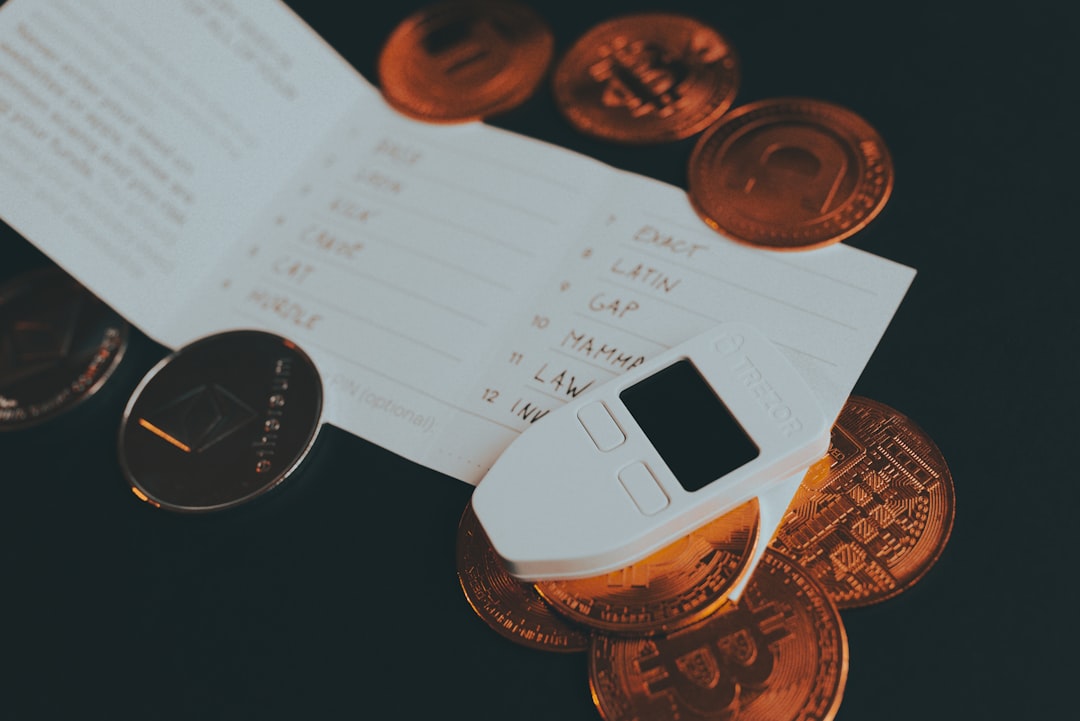
Social proof and FOMO in online shopping
Wednesday 9th of September 2026
Ever refreshed a cart just to see "Only 2 left!" and felt your pulse spike? 🛒 That’s not shopping—that’s a psychological ambush. Social proof ("9,000 bought this today!") and FOMO ("Deal ends in 2 hours!") are engineered to bypass your rational brain and tap straight into your survival instinct. You’re not buying a product; you’re buying the fear of missing out on a feeling.
Here’s the hard truth: the algorithm doesn’t care about your budget. It cares about your impulse. Before you click "Buy Now," run a 10-second audit. Ask: *Am I buying this to solve a problem, or to soothe an anxiety created by a countdown timer?* Needs are quiet, patient, and specific. Wants are loud, urgent, and vague ("I just need it").
FOMO is expensive. That "limited edition" sneaker or flash sale gadget often ends up as clutter—and a line on your credit card you’ll feel next month. Every time you resist a fake scarcity, you buy real freedom: cash flow, lower stress, and the ability to say yes to a true opportunity later.
Next time you feel that rush, pause. Close the tab. Walk away for 24 hours. If it’s still a need tomorrow, it’ll still be there—or a better price will. If it was just FOMO, you just saved 100% of your money. 💸
Your future self isn’t watching a timer
Learn how to make smarter choices at: https://idecideapp.com
Here’s the hard truth: the algorithm doesn’t care about your budget. It cares about your impulse. Before you click "Buy Now," run a 10-second audit. Ask: *Am I buying this to solve a problem, or to soothe an anxiety created by a countdown timer?* Needs are quiet, patient, and specific. Wants are loud, urgent, and vague ("I just need it").
FOMO is expensive. That "limited edition" sneaker or flash sale gadget often ends up as clutter—and a line on your credit card you’ll feel next month. Every time you resist a fake scarcity, you buy real freedom: cash flow, lower stress, and the ability to say yes to a true opportunity later.
Next time you feel that rush, pause. Close the tab. Walk away for 24 hours. If it’s still a need tomorrow, it’ll still be there—or a better price will. If it was just FOMO, you just saved 100% of your money. 💸
Your future self isn’t watching a timer
Learn how to make smarter choices at: https://idecideapp.com

The true cost of Impulse Buying
Thursday 10th of September 2026
That “little treat” costs more than you think. 🧠
Impulse buying feels harmless in the moment. But the true cost isn’t just the price tag—it’s the interest on your credit card, the savings you never built, and the financial stress that quietly stacks up.
Here’s the real math: a $40 impulse purchase made twice a week is over $4,000 a year. Invested instead, that’s a serious emergency fund.
The fix isn’t willpower—it’s a pause. Before you buy, ask:
Is this a need or a want?
Will I still care about it next week?
Am I buying to feel better, not to own something?
Needs keep your life running. Wants are fine—when they’re planned, not reactive. Budgeting isn’t about saying no to everything. It’s about saying yes to what actually matters.
Next time you’re about to tap “buy,” take 10 seconds. That pause could save you thousands. 💸
Pause. Reflect. Decide.
Learn how to make smarter choices at: https://idecideapp.com
Impulse buying feels harmless in the moment. But the true cost isn’t just the price tag—it’s the interest on your credit card, the savings you never built, and the financial stress that quietly stacks up.
Here’s the real math: a $40 impulse purchase made twice a week is over $4,000 a year. Invested instead, that’s a serious emergency fund.
The fix isn’t willpower—it’s a pause. Before you buy, ask:
Is this a need or a want?
Will I still care about it next week?
Am I buying to feel better, not to own something?
Needs keep your life running. Wants are fine—when they’re planned, not reactive. Budgeting isn’t about saying no to everything. It’s about saying yes to what actually matters.
Next time you’re about to tap “buy,” take 10 seconds. That pause could save you thousands. 💸
Pause. Reflect. Decide.
Learn how to make smarter choices at: https://idecideapp.com

The 50/30/20 Budgeting Rule
Friday 11th of September 2026
Making smart financial decisions is crucial when dealing with The 50/30/20 Budgeting Rule.
Always ask yourself if this is a need or a want before spending. Stop and think before you buy!
Read more tips on our blog: https://idecideapp.com
Always ask yourself if this is a need or a want before spending. Stop and think before you buy!
Read more tips on our blog: https://idecideapp.com

Social proof and FOMO in online shopping
Saturday 12th of September 2026
Making smart financial decisions is crucial when dealing with Social proof and FOMO in online shopping.
Always ask yourself if this is a need or a want before spending. Stop and think before you buy!
Read more tips on our blog: https://idecideapp.com
Always ask yourself if this is a need or a want before spending. Stop and think before you buy!
Read more tips on our blog: https://idecideapp.com

Social proof and FOMO in online shopping
Sunday 13th of September 2026
Making smart financial decisions is crucial when dealing with Social proof and FOMO in online shopping.
Always ask yourself if this is a need or a want before spending. Stop and think before you buy!
Read more tips on our blog: https://idecideapp.com
Always ask yourself if this is a need or a want before spending. Stop and think before you buy!
Read more tips on our blog: https://idecideapp.com
The true cost of Impulse Buying
Monday 14th of September 2026
That $40 candle seemed harmless. Until you do the math. 🕯️
Impulse buys feel small in the moment. But $40 a week is $2,080 a year. Invested instead, that's a vacation. A security fund. Breathing room.
The real cost isn't the price tag. It's the interest on the credit card you used. The budget line you blew. The goal you pushed back another month.
Here's the gap: a need keeps your life running. A want just feels urgent for 90 seconds. Marketers engineer that urgency. Your brain supplies the excuse.
Next time you're about to tap "Buy Now," ask three questions:
Is this a need or a want?
Would I buy it at full price tomorrow?
What am I giving up to have it?
That pause is where smart money lives. Not in deprivation. In intention.
You don't need to say no to everything. You just need a moment to decide. That's why we built iDecide.
Learn how to make smarter choices at: https://idecideapp.com
Impulse buys feel small in the moment. But $40 a week is $2,080 a year. Invested instead, that's a vacation. A security fund. Breathing room.
The real cost isn't the price tag. It's the interest on the credit card you used. The budget line you blew. The goal you pushed back another month.
Here's the gap: a need keeps your life running. A want just feels urgent for 90 seconds. Marketers engineer that urgency. Your brain supplies the excuse.
Next time you're about to tap "Buy Now," ask three questions:
Is this a need or a want?
Would I buy it at full price tomorrow?
What am I giving up to have it?
That pause is where smart money lives. Not in deprivation. In intention.
You don't need to say no to everything. You just need a moment to decide. That's why we built iDecide.
Learn how to make smarter choices at: https://idecideapp.com
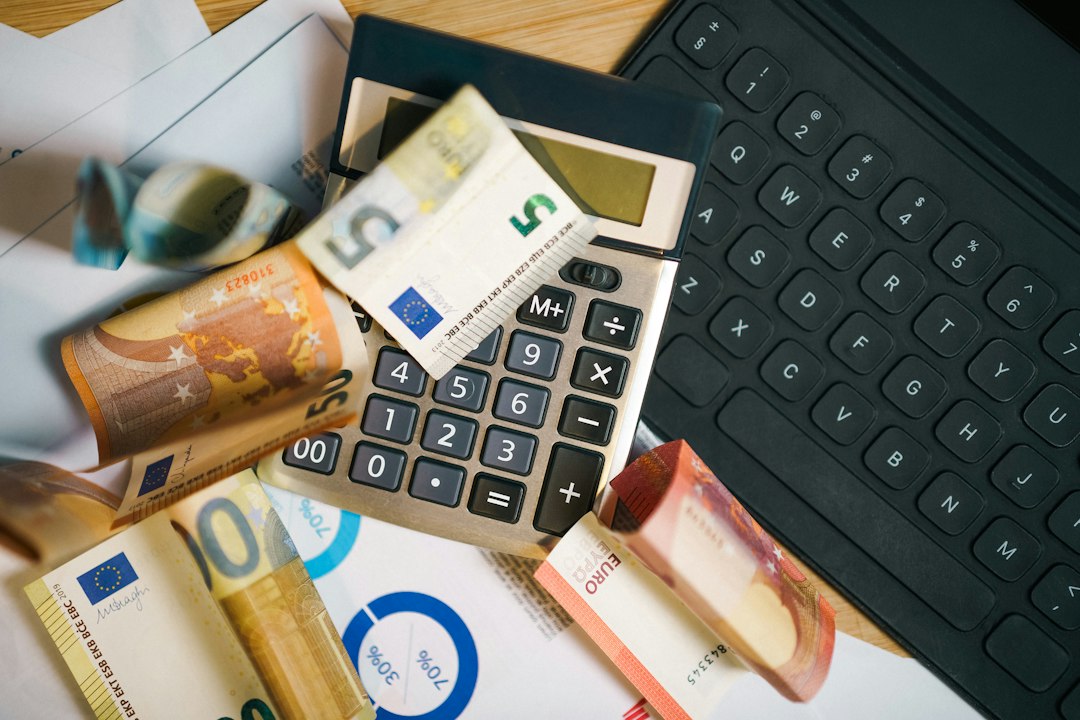
Why you should build an Emergency Fund
Tuesday 15th of September 2026
Your car breaks down. Your laptop dies. You lose your job. 🚧
These aren't "if" moments. They're "when" moments.
And when they hit, you have two options:
1️⃣ Swipe the credit card and pay 20%+ interest for months.
2️⃣ Pull from an emergency fund and move on with your life.
That's the real difference between a want and a need. A want is a new phone. A need is keeping the lights on when income stops.
Here's the math that changes everything: saving just $25 a week builds a $1,300 buffer in a year. That's a new transmission. A medical bill. A month of groceries.
An emergency fund isn't about being rich. It's about refusing to let one bad day become a bad year.
Before you upgrade, before you splurge — pause. Ask yourself: could this money be my safety net instead?
Build the fund first. Buy the wants second. Your future self will thank you. 💪
Learn how to make smarter choices at: https://idecideapp.com
These aren't "if" moments. They're "when" moments.
And when they hit, you have two options:
1️⃣ Swipe the credit card and pay 20%+ interest for months.
2️⃣ Pull from an emergency fund and move on with your life.
That's the real difference between a want and a need. A want is a new phone. A need is keeping the lights on when income stops.
Here's the math that changes everything: saving just $25 a week builds a $1,300 buffer in a year. That's a new transmission. A medical bill. A month of groceries.
An emergency fund isn't about being rich. It's about refusing to let one bad day become a bad year.
Before you upgrade, before you splurge — pause. Ask yourself: could this money be my safety net instead?
Build the fund first. Buy the wants second. Your future self will thank you. 💪
Learn how to make smarter choices at: https://idecideapp.com